


Hydrogen is often seen as the fuel of the future due to its unique properties. First, it is a clean fuel, as the only byproduct of hydrogen when used to generate electricity is water. Second, hydrogen has thrice the energy density (120 MJ/kg) of gasoline and diesel, making it a promising option for energy storage applications. Finally, hydrogen’s dual role in energy storage and generation, as they are reverse reactions of each other, adds to its versatility.
In terms of cost, technologies like fuel cells and electrolysers are becoming more affordable. Fuel cell prices have dropped 60% from 2006 prices with further reduction of 65-85% anticipated by 2050, and the cost of electrolysers is expected to decrease by 15%-30% by 2030 due to the availability of excess electricity from renewables. Thus, hydrogen’s duality as both a fuel and an energy carrier positions it as a vital link between electricity from renewables and broader applications, including substitutes for aviation fuel, residential heating, and decarbonising industries such as steelmaking, which is renowned for being ‘hard-to-abate’.
According to a recent report by the ASEAN Centre for Energy (ACE), low-carbon hydrogen has the potential to significantly transform ASEAN’s energy landscape. Although current hydrogen is produced primarily from methane or coal combustion, known as grey hydrogen, transitioning to cleaner hydrogen will be critical in fulfilling the region’s projected increasing energy demand, projected to increase by approximately 215% from 2030 to 2050. Tapping into indigenous resources to produce blue and green hydrogen can enhance energy security for ASEAN Member States (AMS) while supporting the gradual shift away from fossil fuels. Currently, nearly 40% of the region’s oil supply is imported, and hydrogen offers a path towards reducing this dependency.
As countries globally strive towards carbon neutrality, many AMS have recognised hydrogen’s instrumental role in decarbonisation. Countries like Indonesia, Malaysia, Singapore and Vietnam have released national hydrogen strategies aimed at identifying early opportunities for low-carbon hydrogen use. Current progress had gone beyond the planning stage, as in 2022 alone, at least 14 hydrogen-related project finance deals were announced in ASEAN.
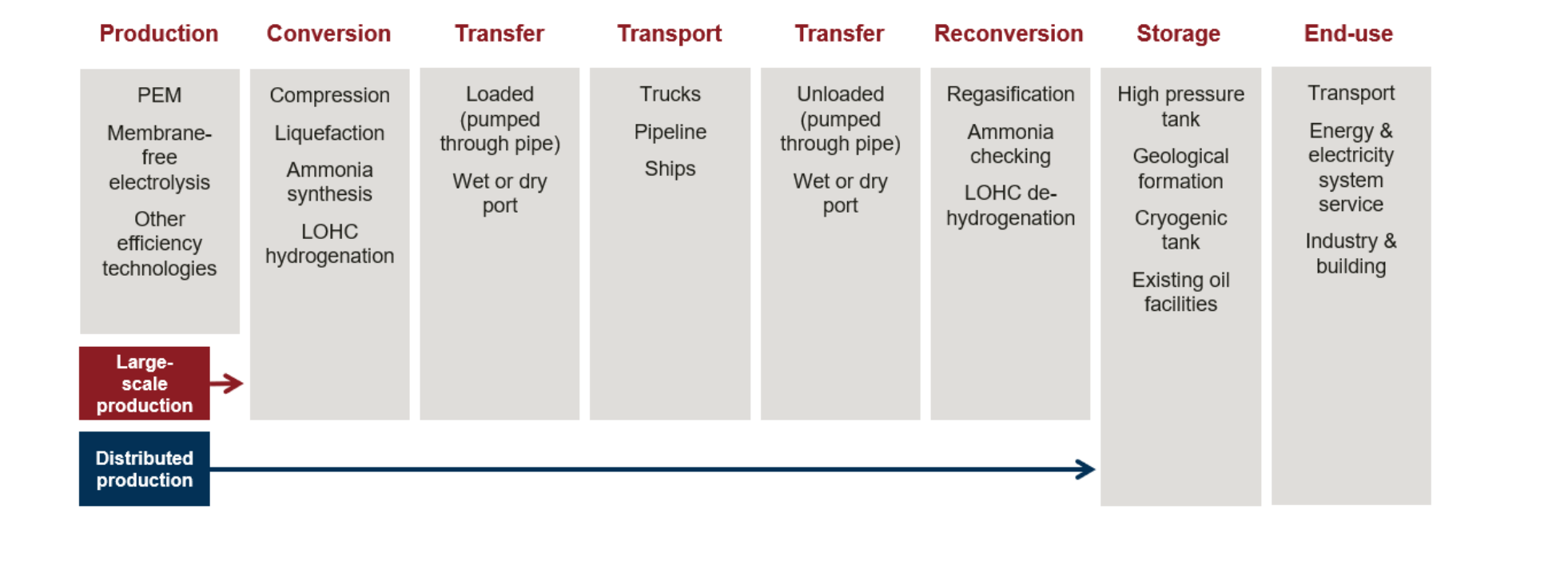
Figure 1. Hydrogen value chain (AIIB, 2023)
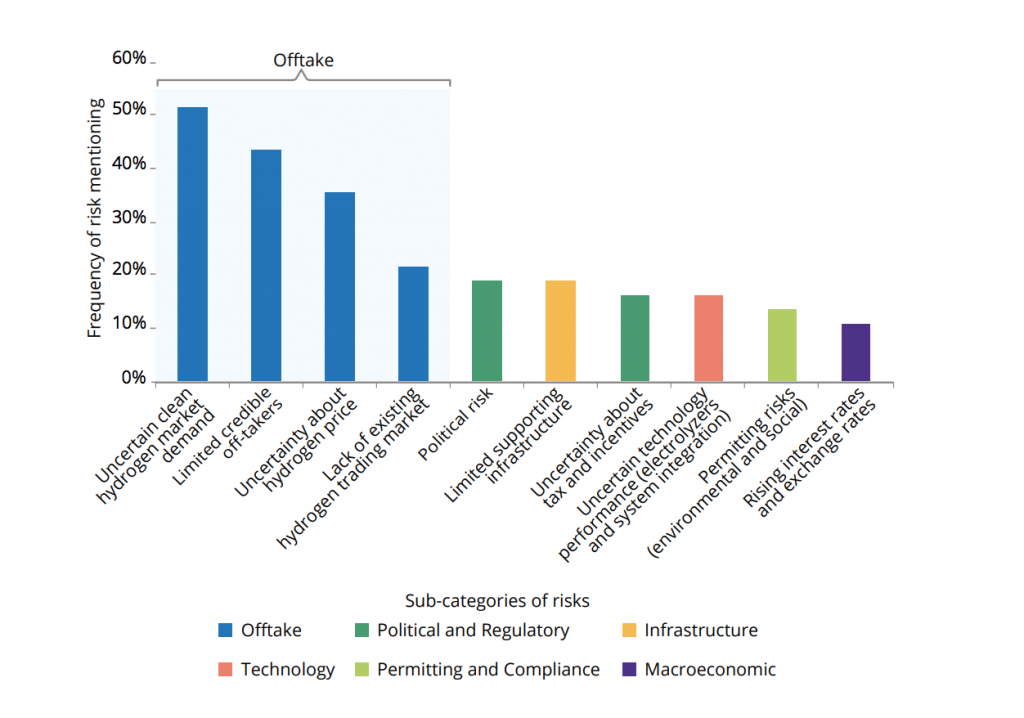
Figure 2. Top risks associated with low-carbon hydrogen, which if mitigated, would enable hydrogen projects to secure financing (ESMAP, 2024).
While there are various types of risk as illustrated in Figure 2, commercial lenders, particularly banks, are most concerned with default risk— the risk that borrowers may not meet their debt obligations on time. The likelihood of default risk depends largely on the availability of free cash flow—as illustrated in Figure 3, which refers to the cash a project has after accounting for operating costs and capital expenditures. This cash flow is used to repay loans and distribute dividends.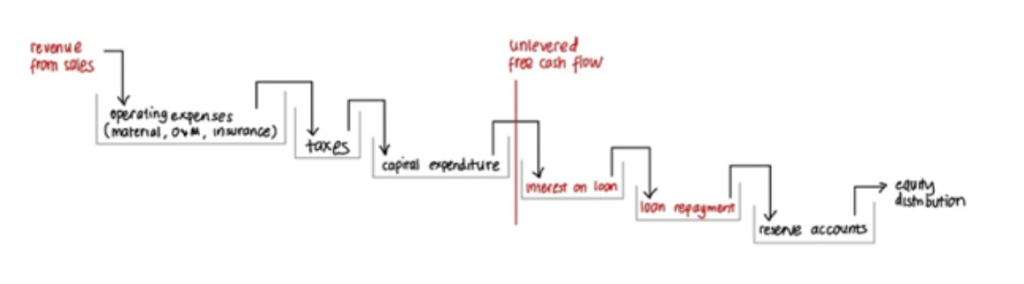
Figure 3. Simplification of a typical cash flow waterfall.
(Adapted from the United States Department of Transportation)


