


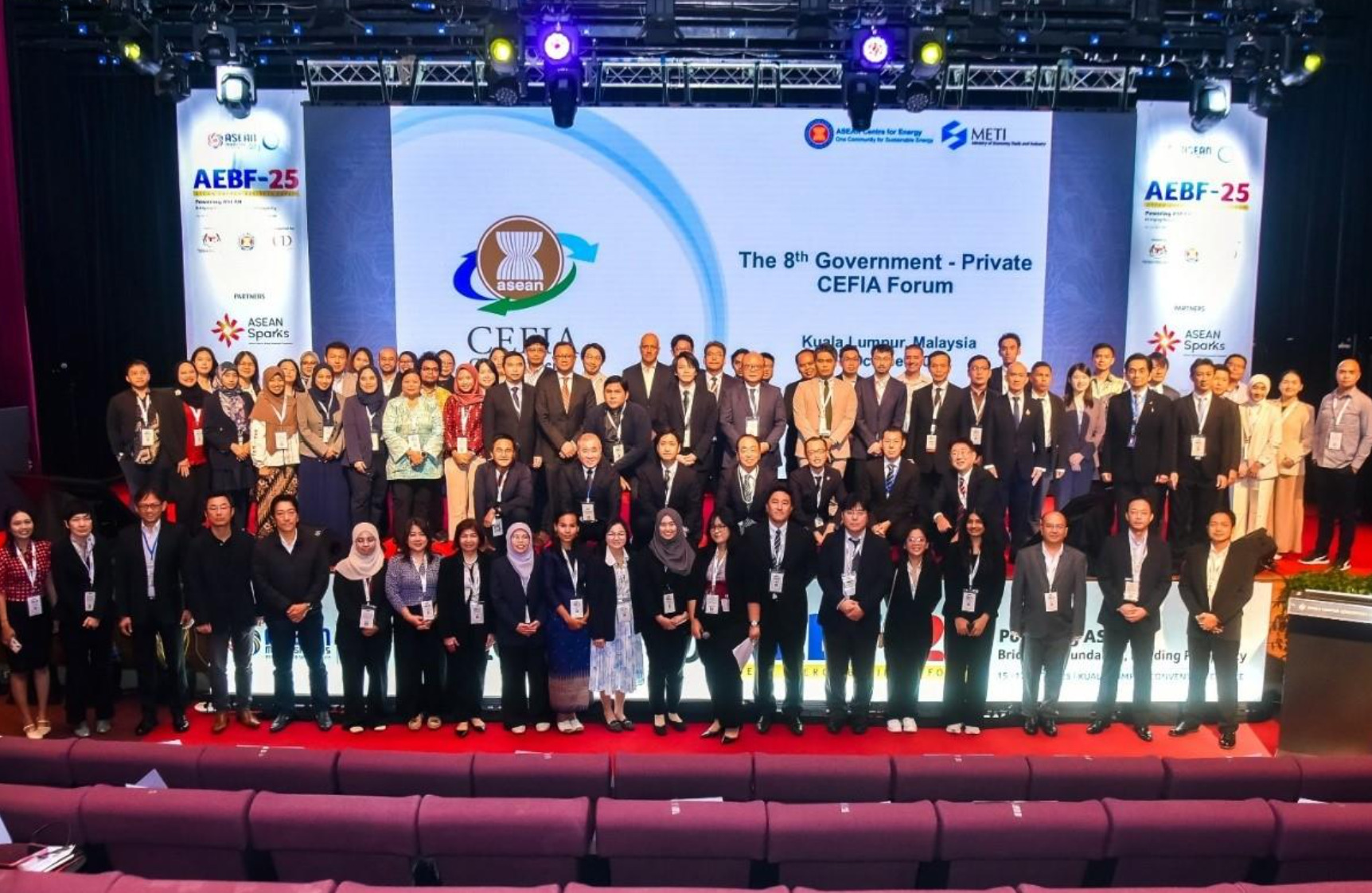
Photo 1. Group photo of the 8th CEFIA Forum participants.
The ASEAN Centre for Energy (ACE) and Ministry of Economy, Trade and Industry (METI) of Japan co-organised the 8th Government - Private Forum on Cleaner Energy Future Initiative for ASEAN (CEFIA) on 17 October 2025, in conjunction with the 25th ASEAN Energy Business Forum (AEBF), in Kuala Lumpur Convention Centre (KLCC), Malaysia. The Forum aims to facilitate collaboration between the public and private sectors to accelerate the deployment of cleaner energy and low carbon technologies in the ASEAN region, aligning with Malaysia’s ASEAN Chairmanship on Energy and underscoring ASEAN’s commitment to clean energy transition, regional connectivity, and shared prosperity.
Supporting the ASEAN Plan of Action for Energy Cooperation (APAEC) 2016-2025 Phase II: 2021-2025 Programme Area Energy Efficiency and Conservation (EE&C) and Renewable Energy (RE), the 8th CEFIA Forum featured presentations and discussions across four main sessions: Overview of CEFIA’s Flagship Projects; Exploring Existing and Future Decarbonisation Technologies; Transition Finance for ASEAN Decarbonisation; and Regional and National EE&C and RE Success Stories. Representatives from ASEAN Member States (AMS), private companies, academia, international organisations, METI, and ACE participated in the Forum.
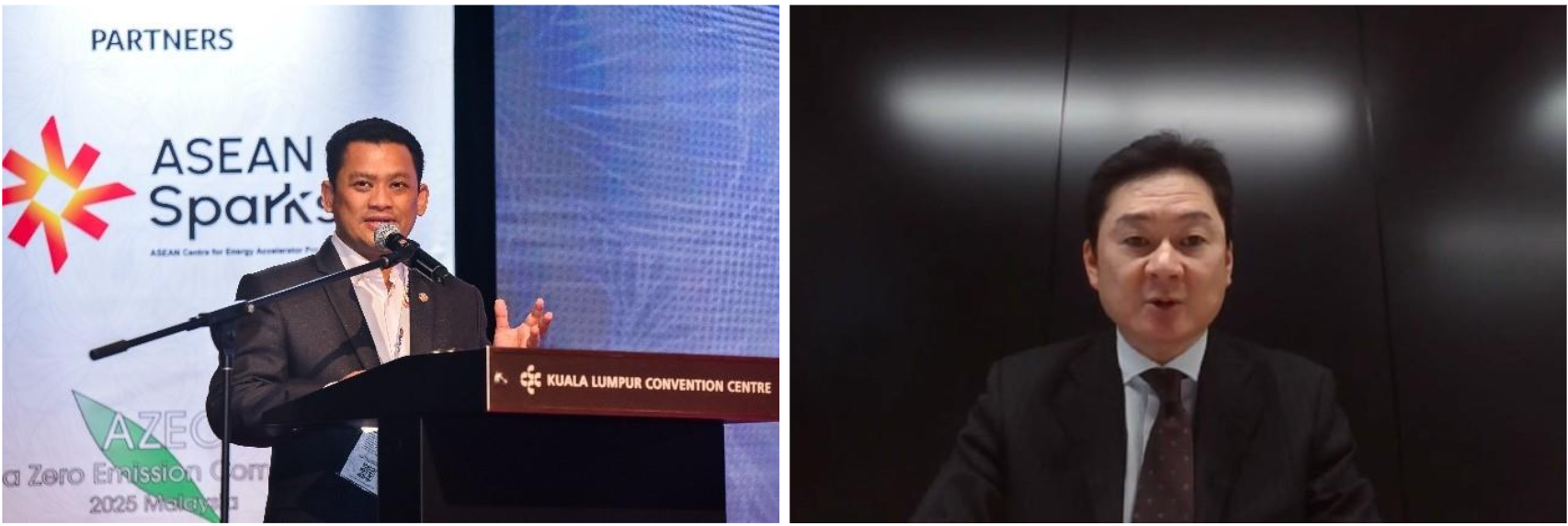
Photo 2. Opening Remarks by Dr. Andy Tirta, Head of Corporate Affairs at ACE (left) and Naoki Kasuya, Senior Director for Energy and Environmental Policy at METI (right).
The Forum began with opening remarks from Dr. Andy Tirta, Head of Corporate Affairs at ACE, on behalf of Dato' Ir. Ts. Razib Dawood, Executive Director at ACE, and Naoki Kasuya, Senior Director for Energy and Environmental Policy at METI. Dr. Andy Tirta expressed his appreciation and gratitude to all the participants, where he reinforced the importance of collaboration in advancing cleaner energy and low-carbon technologies across ASEAN toward a sustainable and prosperous energy future. Naoki Kasuya explained in his opening remarks the mission of Japan in decarbonisation among Asian countries through Asia Zero Emission Community (AZEC) and the importance of the CEFIA Initiatives for continuing collaboration in promoting energy transitions.
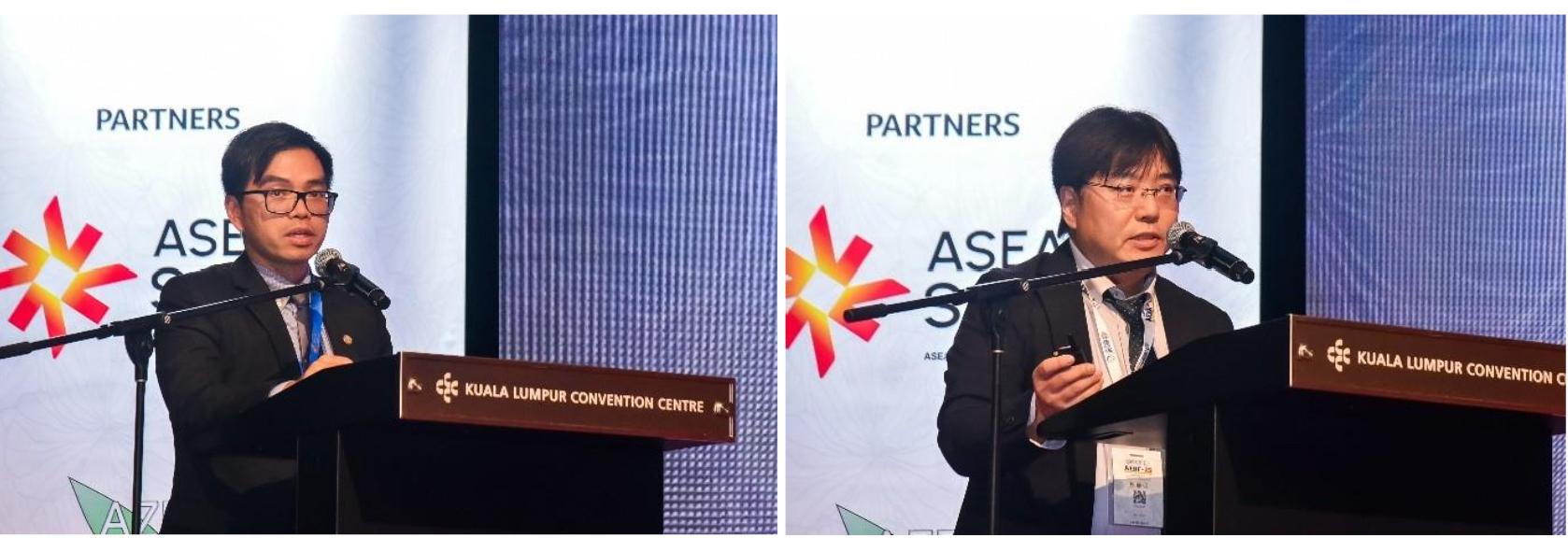 Photo 3. Setting Scene presented by Tung Phuong, Senior Officer of APAEC at ACE (left) and Hiroyuki Mitsui, Deputy Director of Global Environmental Affairs Office at METI (right).
To set the scene, Hiroyuki Mitsui, Deputy Director, Global Environmental Affairs Office at METI, shared that seven public-private forums have been held, including the latest 7th CEFIA Forum, which was held in Kobe, Japan in February 2025. He also highlighted the direction of CEFIA moving forward to align with the needs of ASEAN countries and support the new APAEC 2026-2030. Tung Phuong, Senior Officer, APAEC Department at ACE, then outlined directions from the 22nd AMEM+3 and shared achievements of APAEC Phase II: 2021–2025 for EE&C and RE. He also emphasised the importance of building stronger regional partnerships, private sector involvement, and capacity building under the CEFIA initiatives.
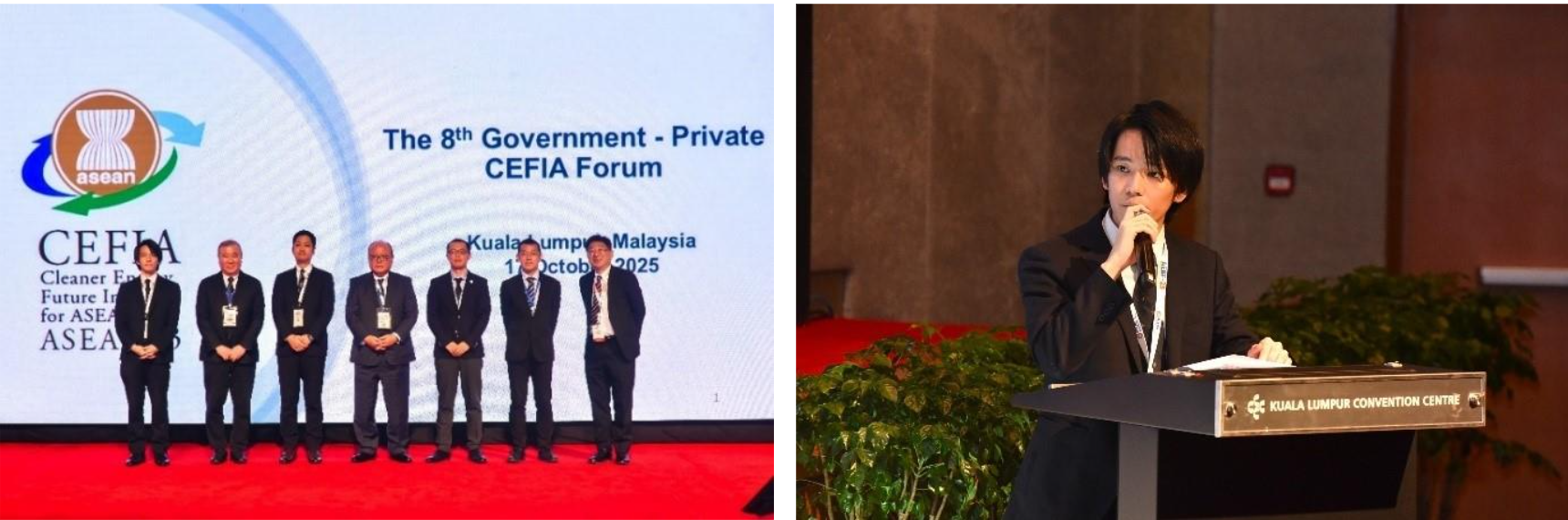
Photo 4. Speakers from Session I: Overview of CEFIA’s Flagship Projects (left). Yojiro Sumitomo, Global Environmental Affairs Office at METI, moderated the session (right).
The Forum continued with Session I, which focused on sharing the progress, activities, and key achievements of the CEFIA flagship projects: Zero Energy Building (ZEB), SteelEcosol, Biomass Energy, Hydrogen Energy, Fuel Ammonia, and Microgrid. Moderated by Yojiro Sumitomo, Global Environmental Affairs Office, METI, the session featured presentations from the Japanese Business Alliance for Smart Energy Worldwide (JASE-W), Japan Iron and Steel Federation, Japan Carbon Frontier Organization (JCOAL), Japan Hydrogen Association (JH2A), Clean Fuel Ammonia Association (CFAA), and KRAFTIA Corporation. Furthermore, the planned future activities of each flagship project to support ASEAN were highlighted.
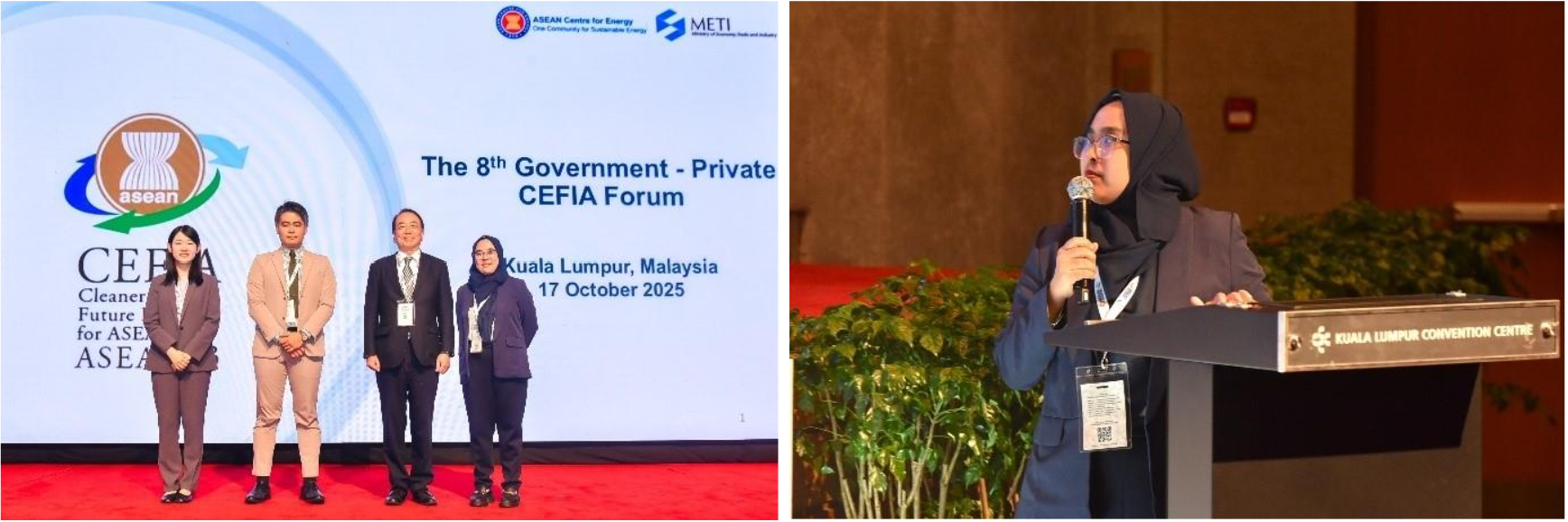
Photo 5. Speakers from Session II: Exploring Existing and Future Decarbonisation Technologies in ASEAN (left). Monika Merdekawati, Senior Officer of Sustainable and Renewable Energy Department at ACE, moderated the session (right).
Monika Merdekawati, Senior Officer, Sustainable and Renewable Energy Department at ACE, moderated Session II, which focused on exploring existing and future decarbonisation technologies in ASEAN. This session focused on proposed activities from new candidate CEFIA Flagship projects in supporting ASEAN decarbonisation goals, with a focus on carbon recycling, biofuels, and second-generation ethanol. Presenters from Carbon Recycling Fund, METI, and Nippon Steel Engineering CO., LTD. were included in the presenter list.
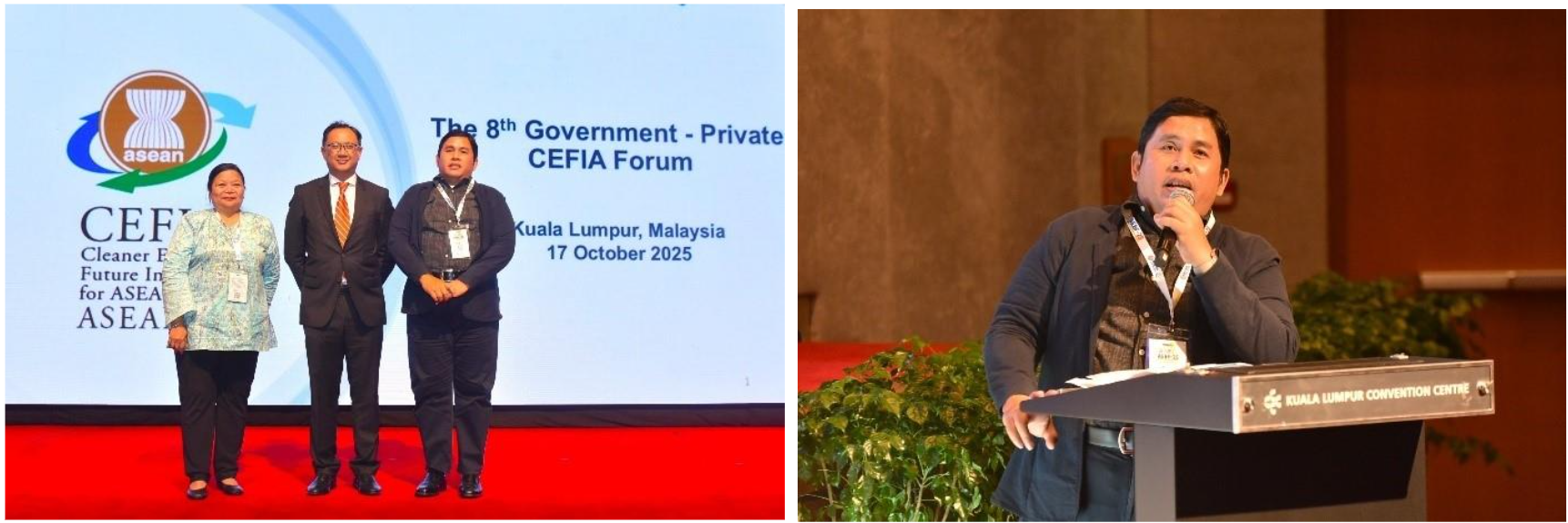
Photo 6. Speakers from Session III: Transition Finance for ASEAN Decarbonisation (left). Rio Jon Piter Silitonga, Senior Officer of Energy Efficiency and Conservation Department at ACE, moderated the session (right).
Sessions III was moderated by Rio Jon Piter Silitonga, Senior Officer, Energy Efficiency and Conservation Department at ACE and it focused on transition finance for ASEAN decarbonisation. This session explored the challenges and opportunities for expanding transition finance in Asia, including inclusive approaches, green building applications, and development bank initiatives for regional decarbonisation.
Presenters from METI emphasised the need for an inclusive, flexible approach to transition finance in Asia—balancing global standards and local context to mobilise substantial capital for economy-wide decarbonisation and just energy transition. The, Association of Development Financing Institutions in Asia and the Pacific (ADFIAP) highlighted its regional leadership in capacity building and innovative green finance solutions for sustainable development banking. , and Bank Pembangunan Malaysia Berhad (BPMB) showcased Malaysia’s Climate Finance Innovation Lab—a catalytic platform for accelerating climate finance and partnerships for energy efficiency and transition. were included in the presenter list.
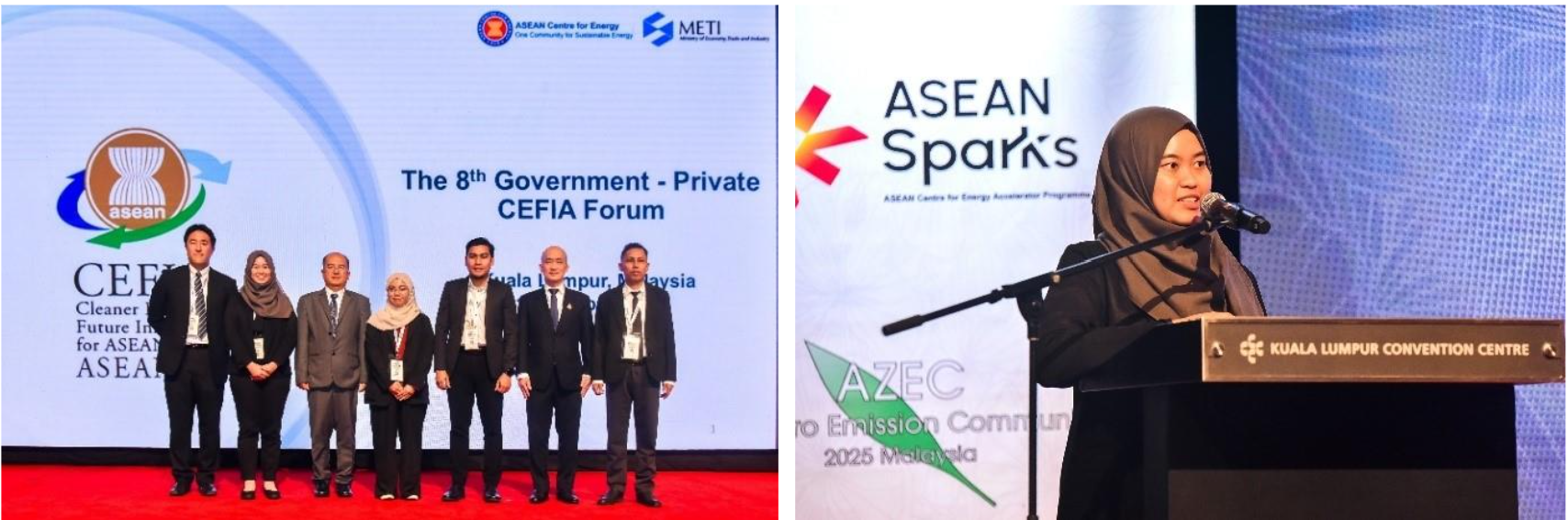
Photo 7. Speakers for Session IV: Regional and National EE&C and RE Success Stories for Accelerating ASEAN's Energy Transition (left). Mardika Firlina, Technical Officer of Energy Efficiency and Conservation Department at ACE, as a speaker for the session (right).
The last session was led by Norihiro Kimura, Senior Negotiator for Climate Change, Global Environmental Affairs Office at METI, inviting representatives from Department of Energy at the Prime Minister's Office of Brunei Darussalam, Ministry of Mines and Energy of Cambodia, Ministry of Industry and Commerce of Lao PDR, Energy Commission of Malaysia, Ministry of Industry of Myanmar, and Department of Alternative Energy Development and Efficiency of Thailand to share national achievements, efforts, and best practices in implementing EE&C and RE initiatives for accelerating the region’s energy transition.
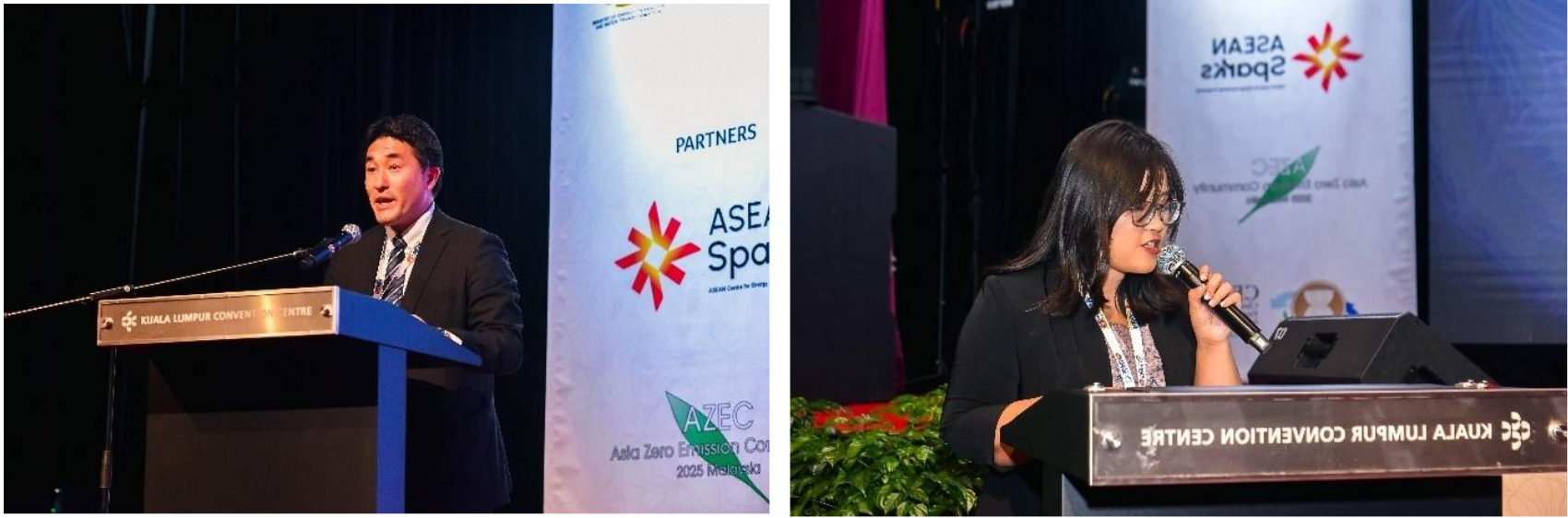
Photo 8. Closing Remarks by Norihiro Kimura, Senior Negotiator for Climate Change, Global Environmental Affairs Office at METI (left). Nathania Adella Panjaitan from ACE, served as the Forum’s Master of Ceremonies (right).
Mardika Firlina, Technical Officer of Energy Efficiency and Conservation Department at ACE, also showcased regional initiatives and annual priorities under Malaysia’s Chairmanship 2025 for EE&C and RE, namely ASEAN Energy Efficiency Database and Investment Matchmaking Platform and ASEAN Renewable Energy Long-Term Roadmap. She also highlighted other regional initiatives, including the ASEAN Energy Awards and the ASEAN Accelerator Programme. The Forum ended with closing remarks from Norihiro Kimura from METI. Nathania Adella Panjaitan from ACE, serving as the overall Master of Ceremonies, formally closed the day's events, expressing gratitude to the participants for joining the session.
About CEFIA: CEFIA was proposed by Japan and endorsed by ASEAN+3 Ministers on Energy at the 16th ASEAN+3 Meeting of Energy Ministers in Bangkok, Thailand, in 2019. CEFIA aims to serve as a platform to facilitate collaboration between public and private sectors in the deployment of cleaner energy and low carbon technologies in ASEAN, funded by the Ministry of Economy, Trade and Industry (METI) of Japan, with support from the ASEAN Centre for Energy (ACE) as a Secretariat. CEFIA oversees several flagship projects, implemented by private companies and organisations, to demonstrate best practices in technology deployment through collaborative efforts, policy development, and the mobilisation of public and private funding. More information is available at https://www.cefia-dp.go.jp/ Materials for the 8th CEFIA Forum can be accessed at The 8th CEFIA Forum|CEFIA Digital Platform


