


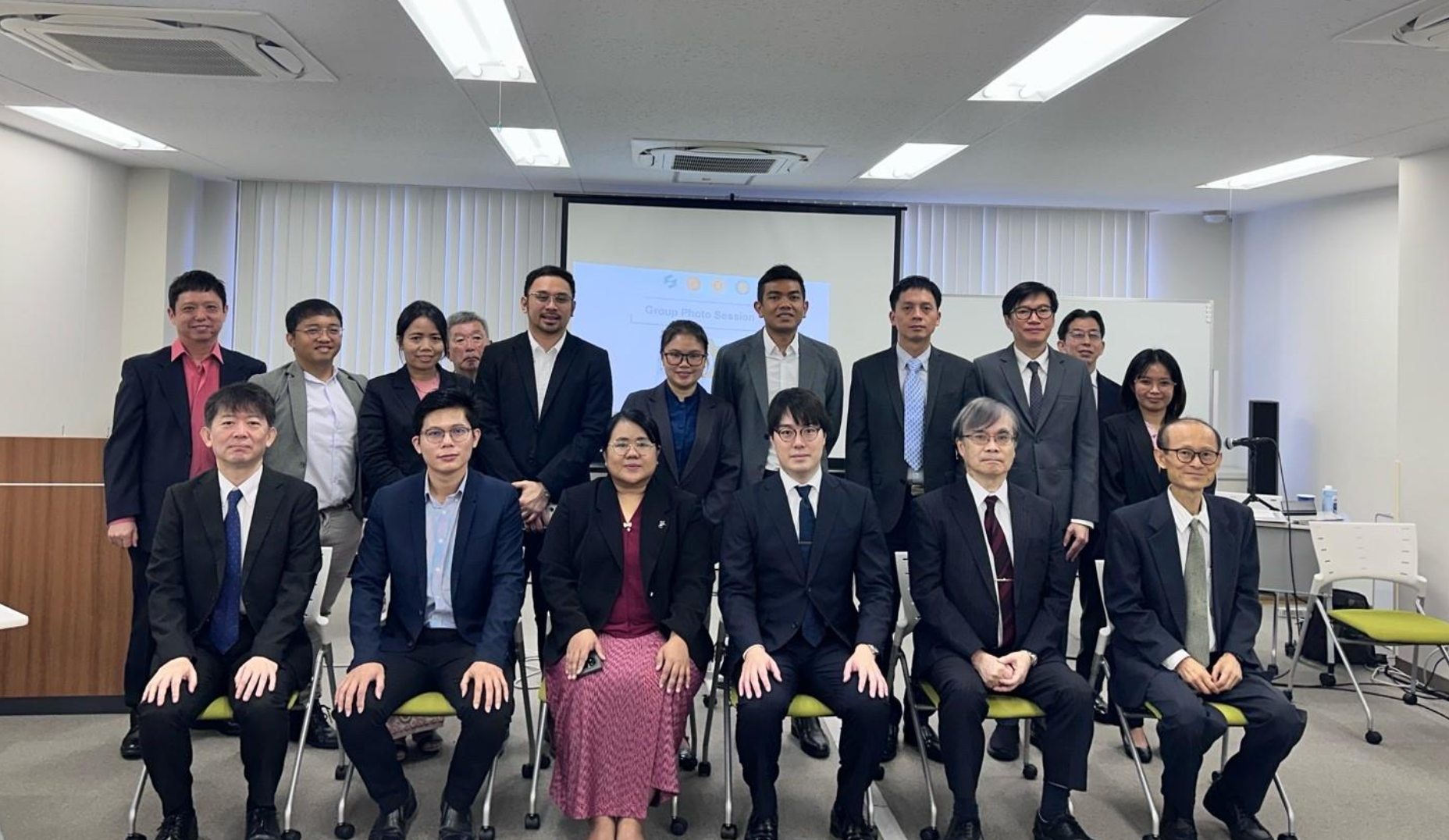
Photo 1. Participants of ECAP37 on Industry and Transportation
The ASEAN Centre for Energy (ACE), in collaboration with the Energy Conservation Center Japan (ECCJ), co-organised the 37th Energy Conservation Workshop under ASEAN-Japan Energy Efficiency Partnership (ECAP37) on 10-14 November 2025 in Tokyo, Japan. The Workshop was attended by representatives from ACE, ECCJ, and eight ASEAN Member States (AMS) – Cambodia, Lao PDR, Malaysia, Myanmar, Philippines, Singapore, Thailand, and Viet Nam.
ECAP37 is a capacity-building workshop sponsored by the Ministry of Economy, Trade, and Industry (METI) Japan that aims to promoting the carbon neutrality in industrial and transportation sectors through policy and technology briefings, facility visits, an online seminar on carbon neutrality in transportation, and collaborative development of carbon neutrality and energy efficiency action plans by ASEAN Member States (AMS).
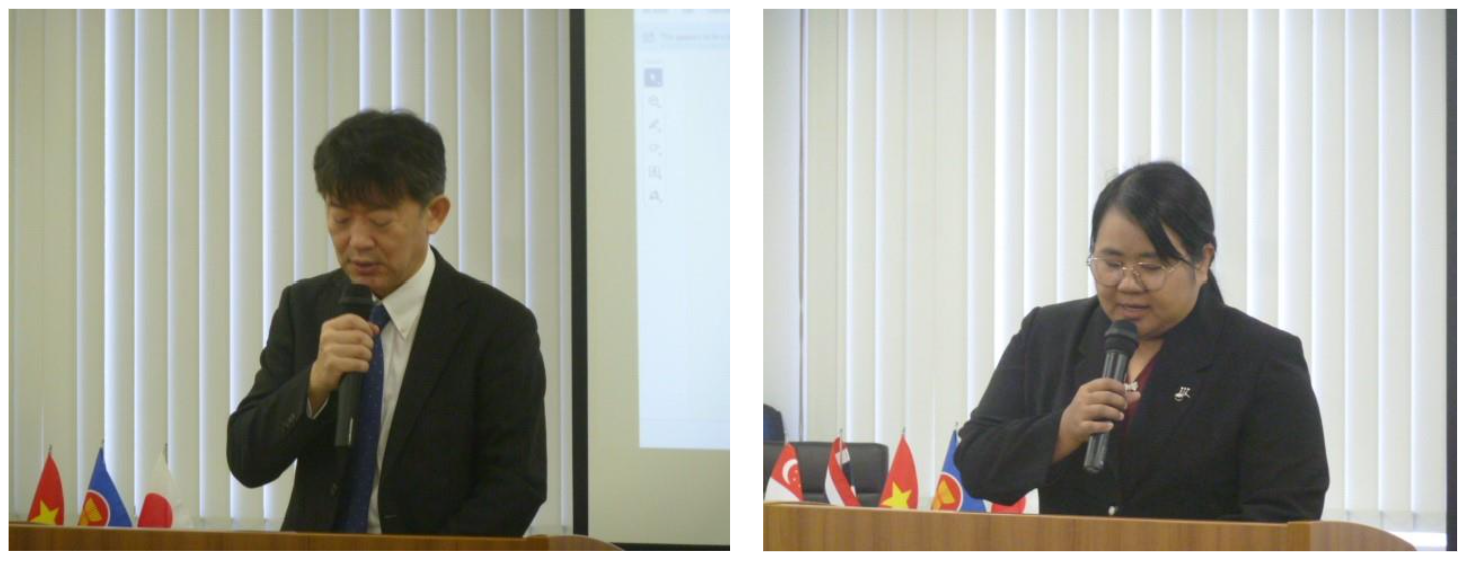
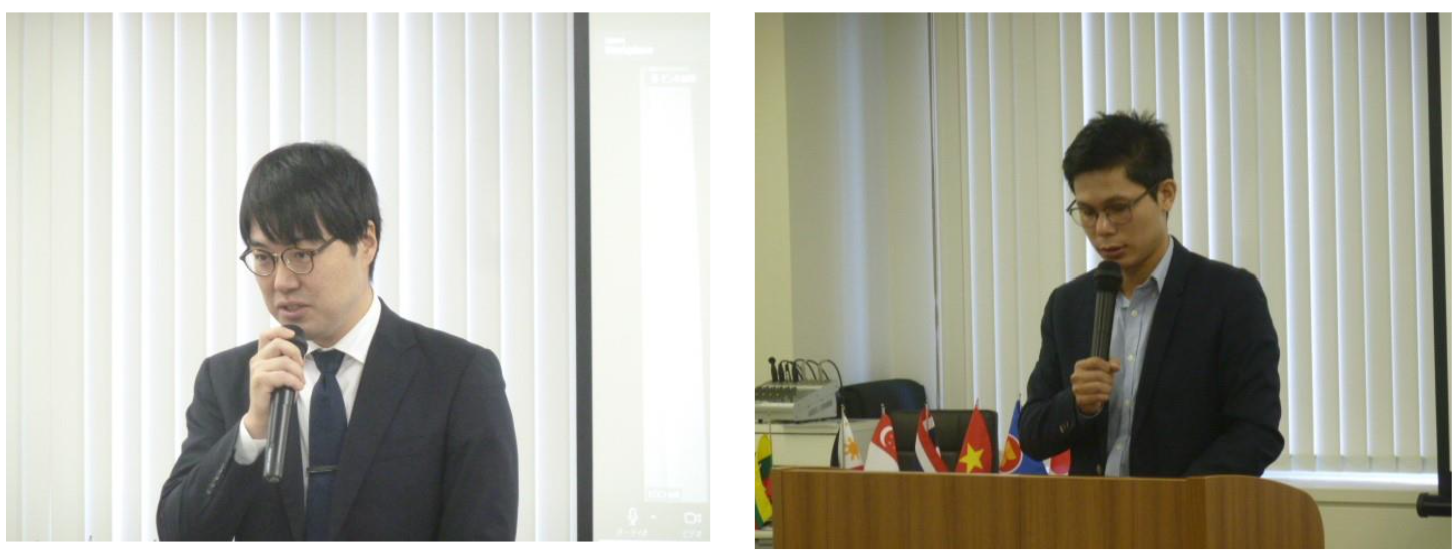
Photo 2. Representatives from ECCJ, ACE, METI, and participating AMS delivering the opening remarks.
The first day of ECAP37 commenced with the opening session, where representatives from ECCJ (Masayasu Koizumi), ACE (Naing Naing Linn), and METI (Masaki Kamiura), and AMS representative (Chansopea Oum) delivered the opening remarks. The session highlighted longstanding ASEAN-Japan cooperation, shifts in the regional energy landscape, and the need for a balanced and context-appropriate energy transition. It was also emphasised that ECAP, as part of the new AJEEP scheme, continues to strengthen capacity building, support APAEC implementation, and advance regional carbon-neutral ambitions. The representative of AMS further noted that the programme enhances knowledge exchanges and underpins collective efforts to meet APAEC targets.
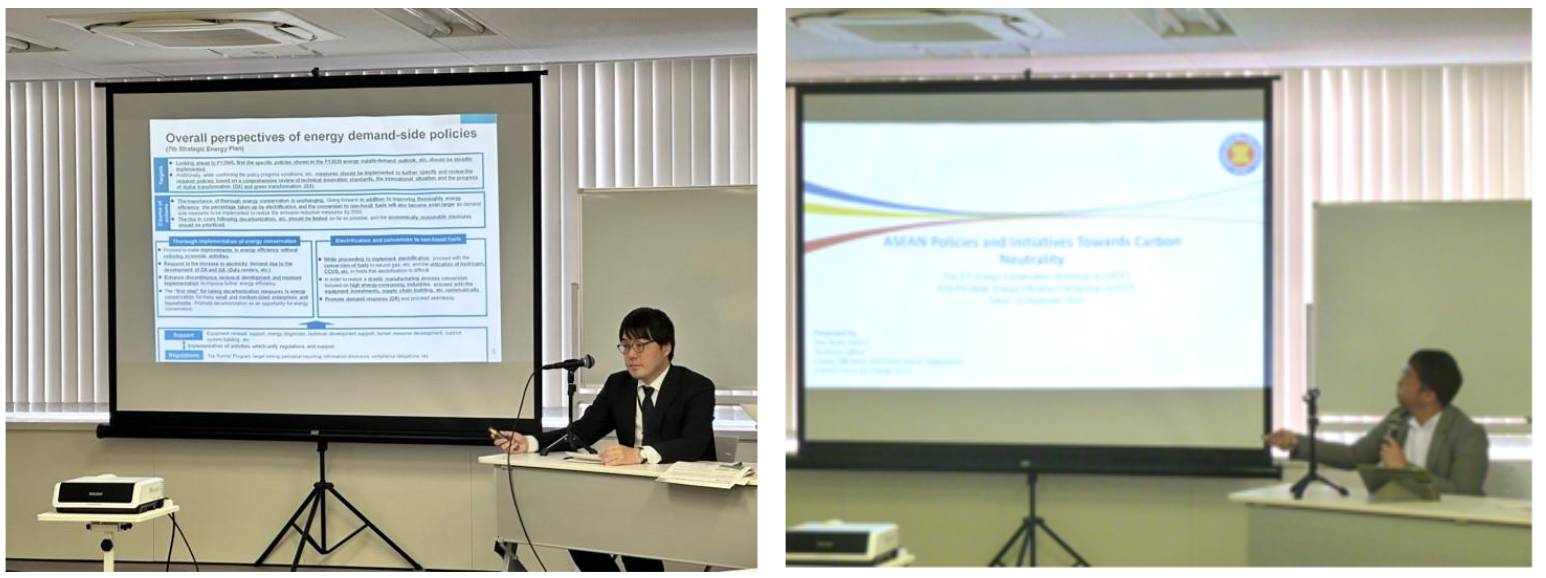
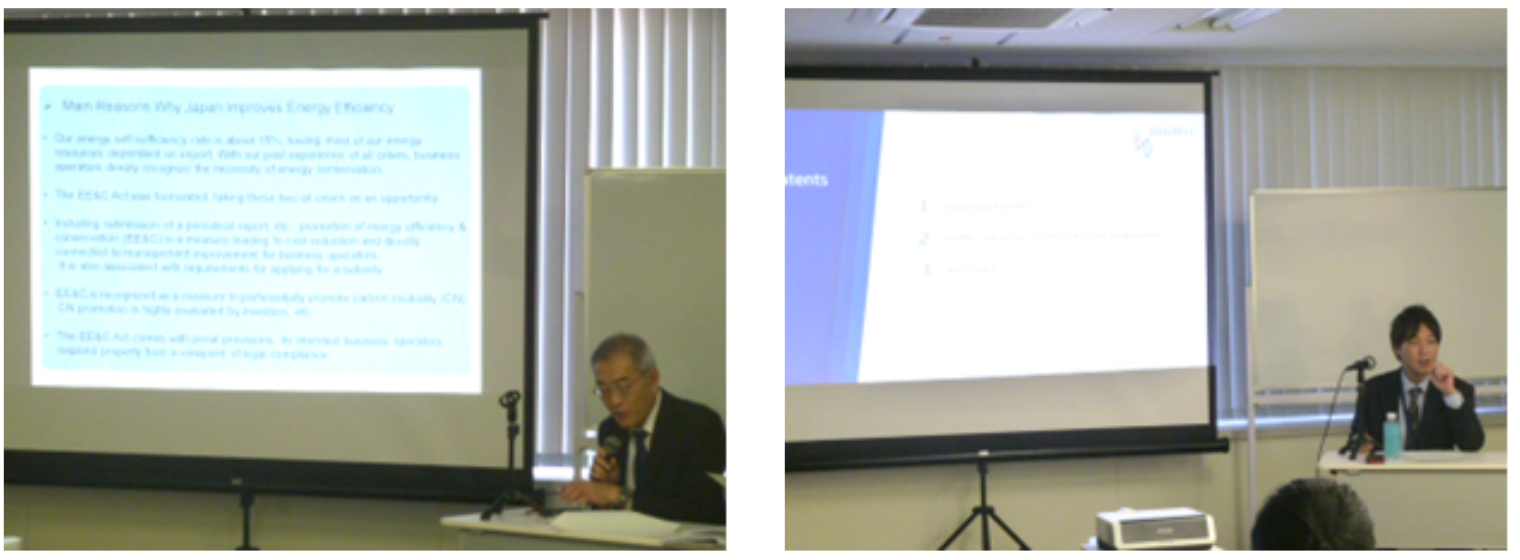
Photo 3. Presenters from METI, ACE, ECCJ, and JOGMEC delivering the lectures on Day 1 ECAP37 Industry and Transportation.
The workshop then continued with a presentation from METI, outlining Japan’s demand-side pathway to carbon neutrality, emphasising intensified energy efficiency, wider non-fossil adoption, digital transformation, and alignment with COP28’s call to double global efficiency gains. It was noted that Japan’s approach is supported by mandatory reporting requirements, top-runner obligations, strengthened diagnostic frameworks, and subsidy schemes encouraging electrification and equipment upgrades, particularly for SMEs. ACE then introduced ASEAN’s forthcoming APAEC 2026–2030 priorities, followed by ECCJ’s elaboration on Japan’s reporting and planning mechanisms under revised EE&C Act. JOGMEC concluded with technology and capacity-building support, with AMS recognising the relevance of Japan’s regulatory experience.
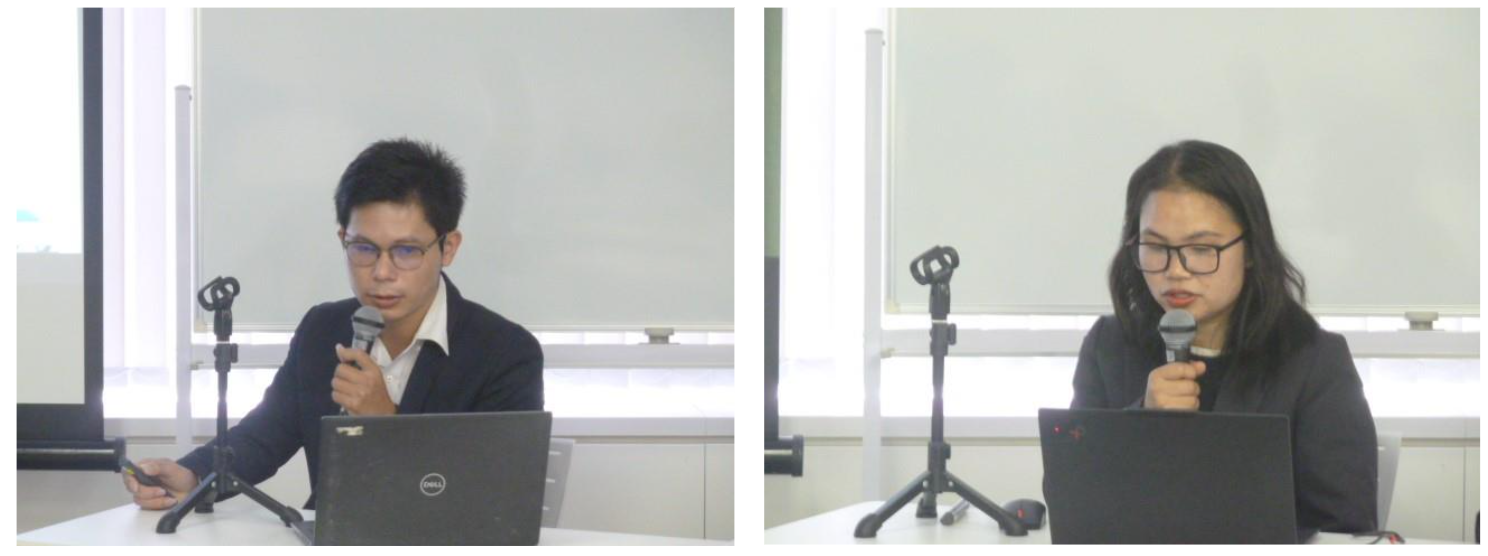
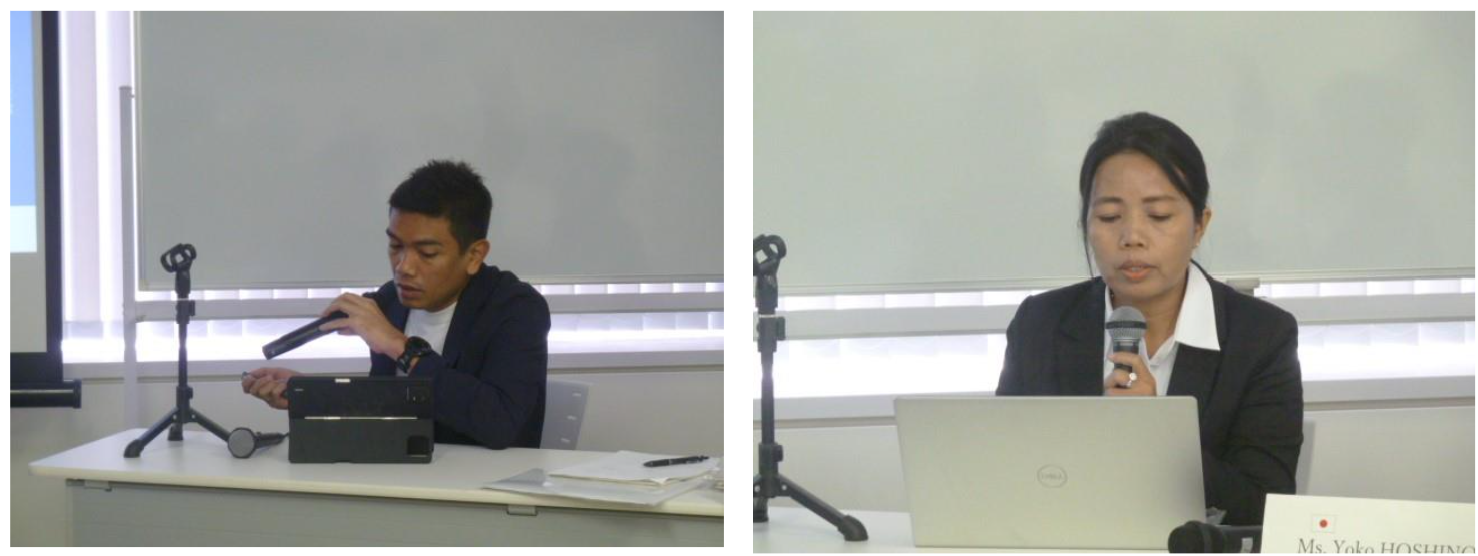
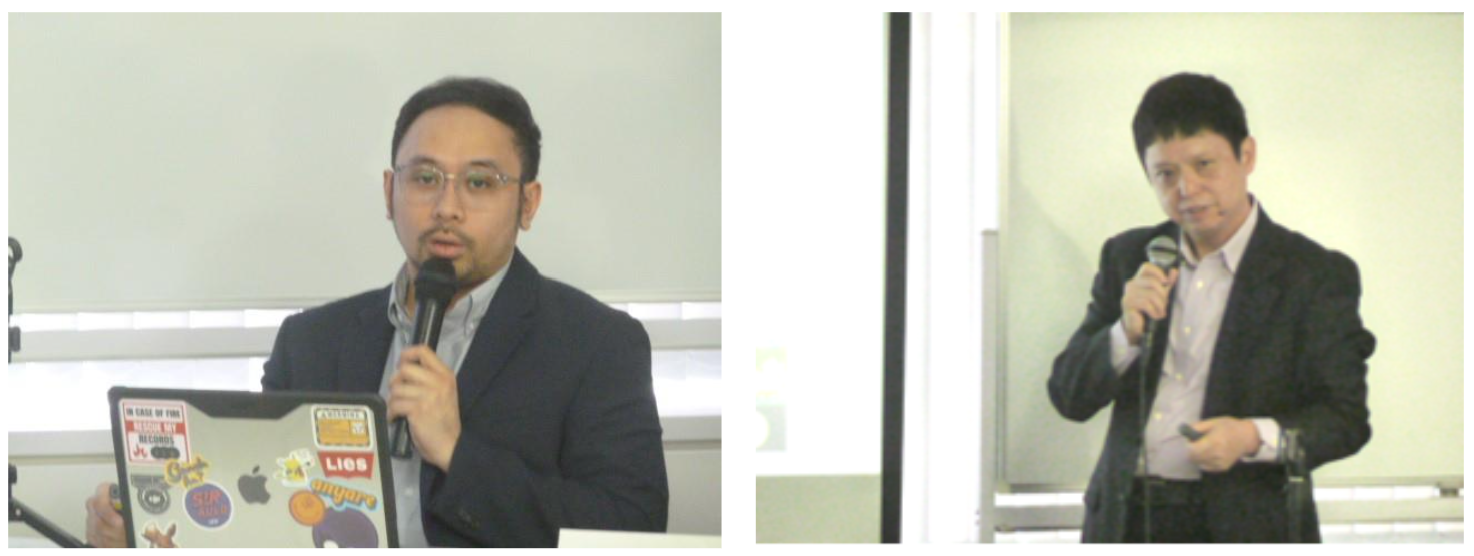
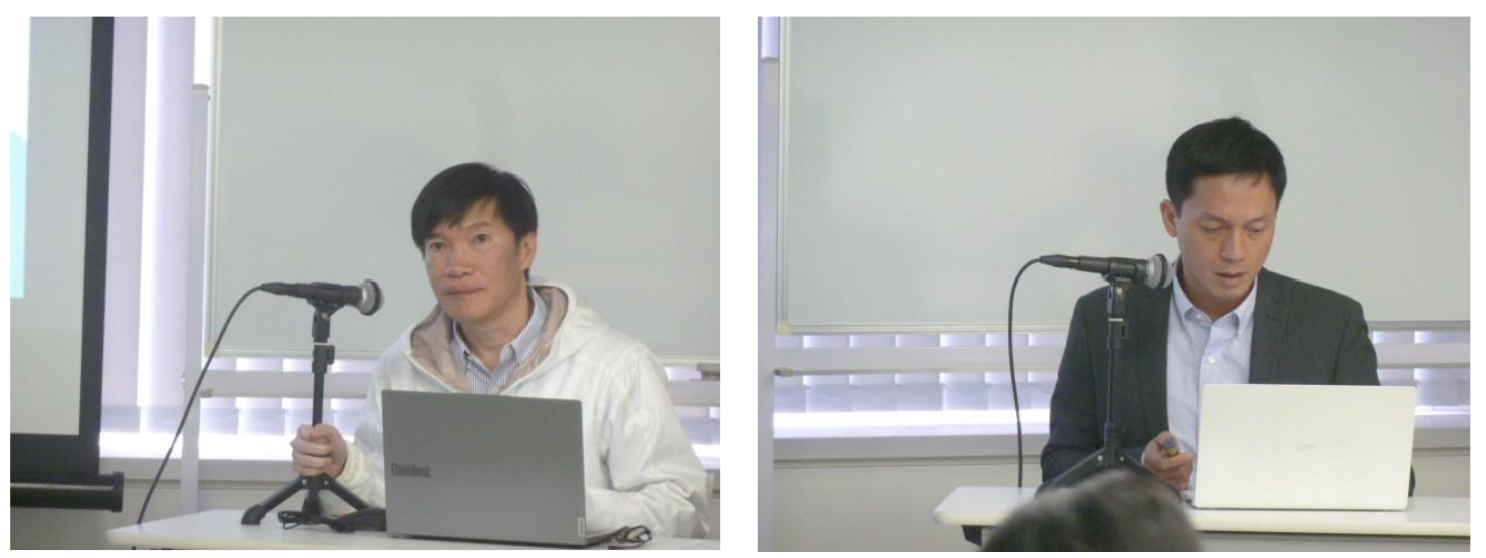
Photo 4. Representative from each AMS delivering the country’s report.
The meeting then continued on second day, focusing on reporting systems across AMS, where ECCJ emphasised the region’s differing policy approaches, varied national challenges, and the need to align visions while learning from one another. The session highlighted distinctions between reporting for new and existing plants, EV-related requirements, public disclosure of compliance, and carbon-credit frameworks. Each AMS subsequently presented its country report, outlining national progress, obstacles, and on-going policy developments.
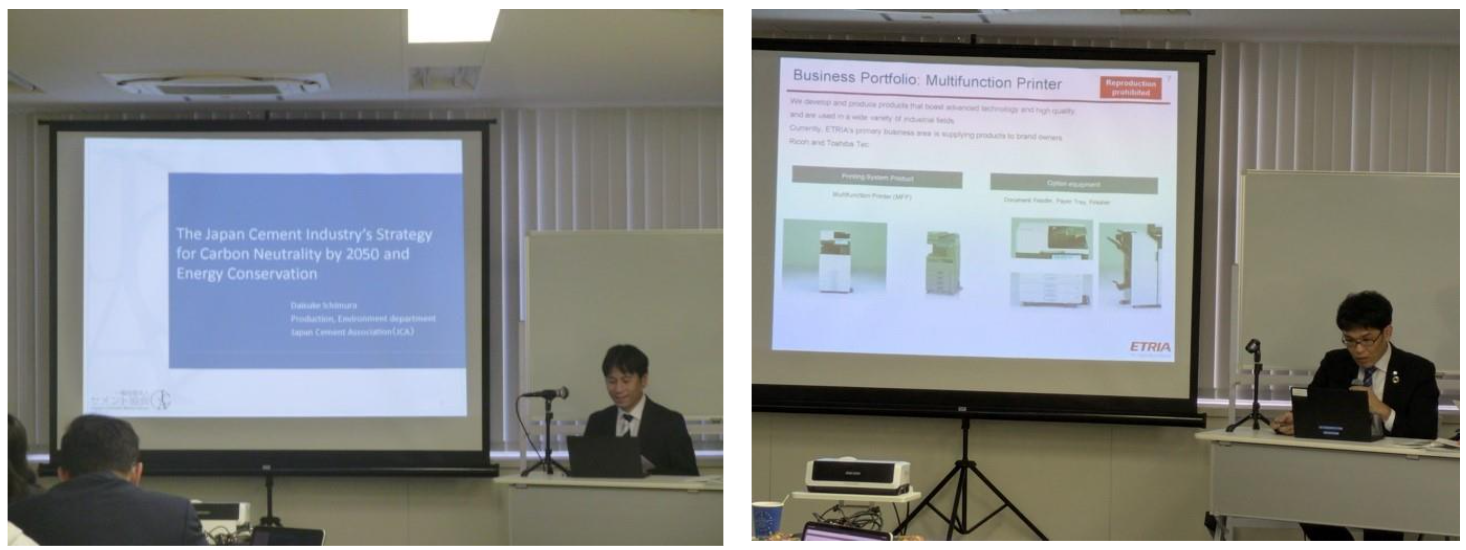
Photo 5. Presenters from JCA, ETRIA, and JETRO Bangkok providing the technical lectures on Day 2 of ECAP37: Industry and Transportation.
The second day also featured technical lectures from the Japan Cement Association (JCA) on industrial decarbonisation strategies, from ETRIA on digital energy-efficiency applications, and from JETRO Bangkok on promoting carbon-neutral value-chain initiatives. Collectively, these exchanges reinforced the importance of coherent reporting structures and regional collaboration.
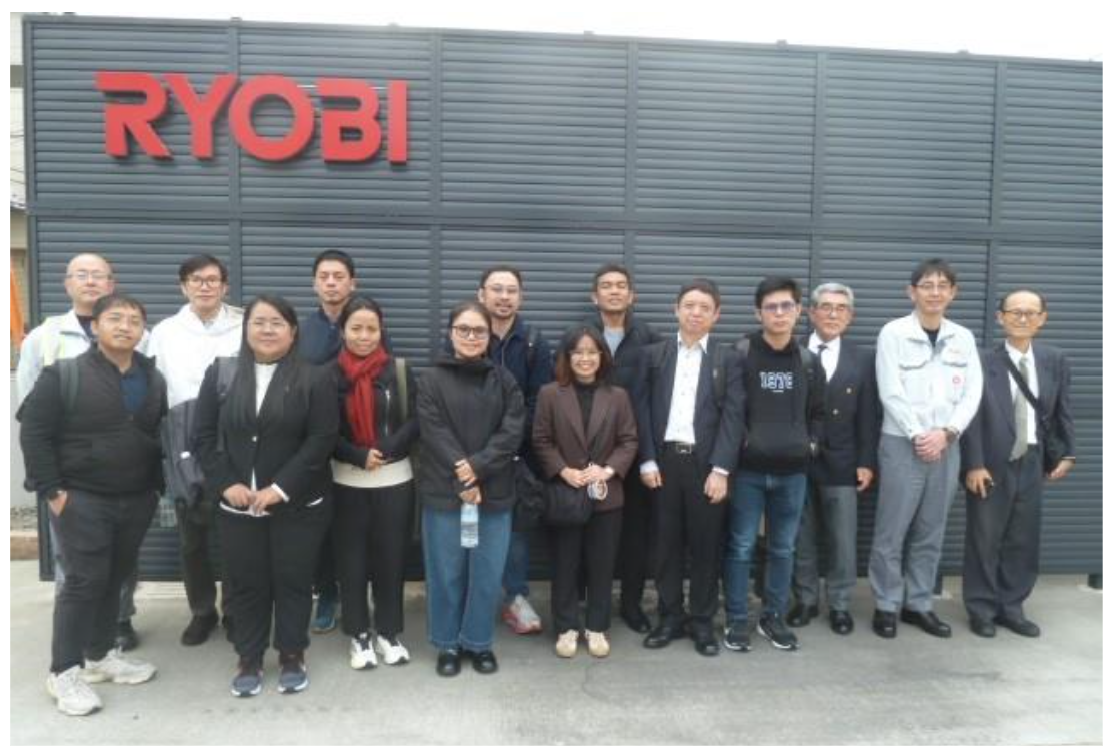
Photo 6. Site visit to Ryobi Limited’s Shizuoka Plant.
The third day featured a technical site visit to Ryobi Limited’s Shizuoka Plant, providing participants with practical insights into Japan’s industrial decarbonisation efforts. The company outlined its commitment to carbon-neutral manufacturing and demonstrated key energy-efficiency measures, including enhanced furnace insulation, optimised air-blow systems, and real-time energy-monitoring tools. The visit also highlighted engagement in NEDO’s Green Innovation Fund, particularly research on hydrogen-combustion furnaces and renewable-energy integration to reduce dependence on conventional fuels. Participants observed how technological innovation and operational optimisation can strengthen industrial performance, offering AMS representatives practical strategies applicable to their respective national contexts. Beyond, technical insights, Ryobi has successfully instilled sustainability culture across its employee through campaigns and cross-functional team collaboration.
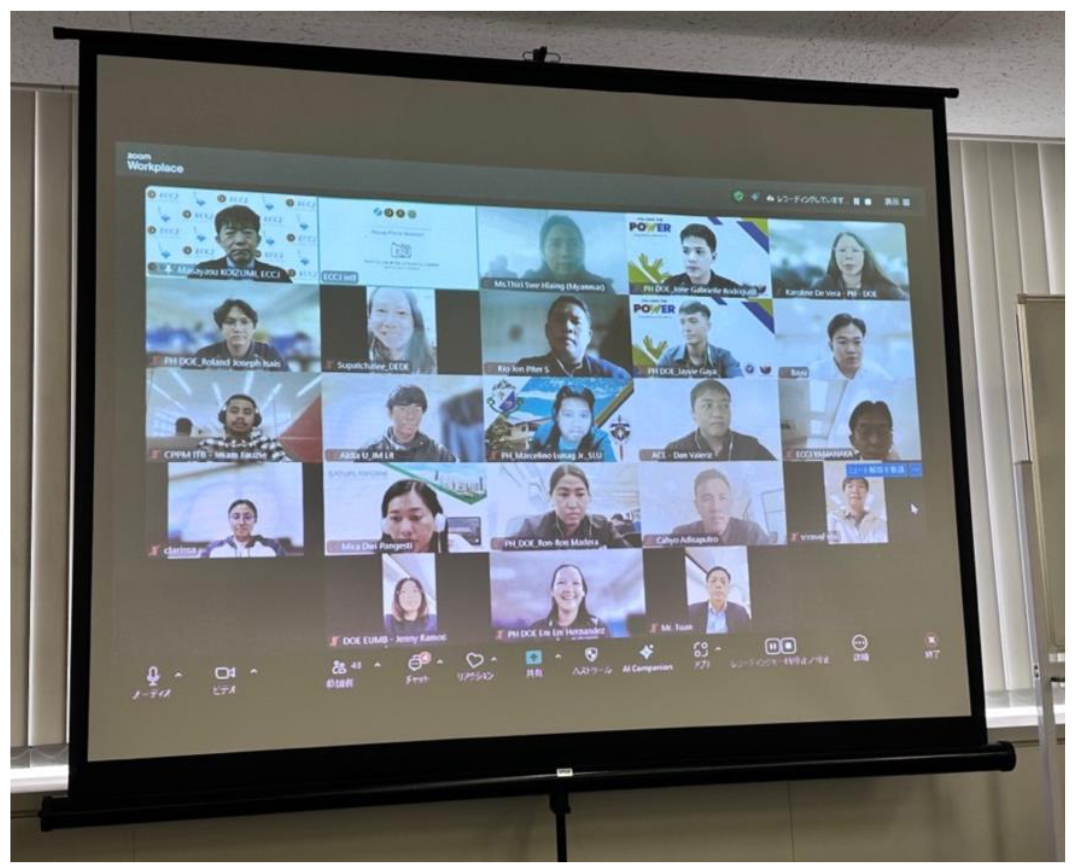
Photo 7. Participants at the Online Transportation Seminar.
The fourth day combined further lecture sessions with the Online Transportation Seminar, allowing participants to explore carbon-neutrality strategies in the transport and logistics sectors. ACE opened the session by delivering a regional overview of logistics efficiency, highlighting ASEAN’s reliance on road transport and the contributions of frameworks such as ASAM, ASSM, MPAC, and the ASEAN Single Window, which has reduced clearance times and generated significant emissions reductions. ECCJ then presented on Japan’s transport-sector obligations under the revised EE&C Act, which expands coverage to non-fossil energy use and mandates medium- to long-term EV deployment plans for consignors and carriers. The next sessions examined global BEV market trends, safety concerns, and Japan’s planned deployment of all-solid-state batteries, perovskite photovoltaics, and wireless charging technologies. AEON Hokkaido’s case study provided practical insights into logistics optimisation through automation, digitalisation, revised contracting arrangements and improved delivery scheduling, demonstrating measurable productivity and emissions benefifts.
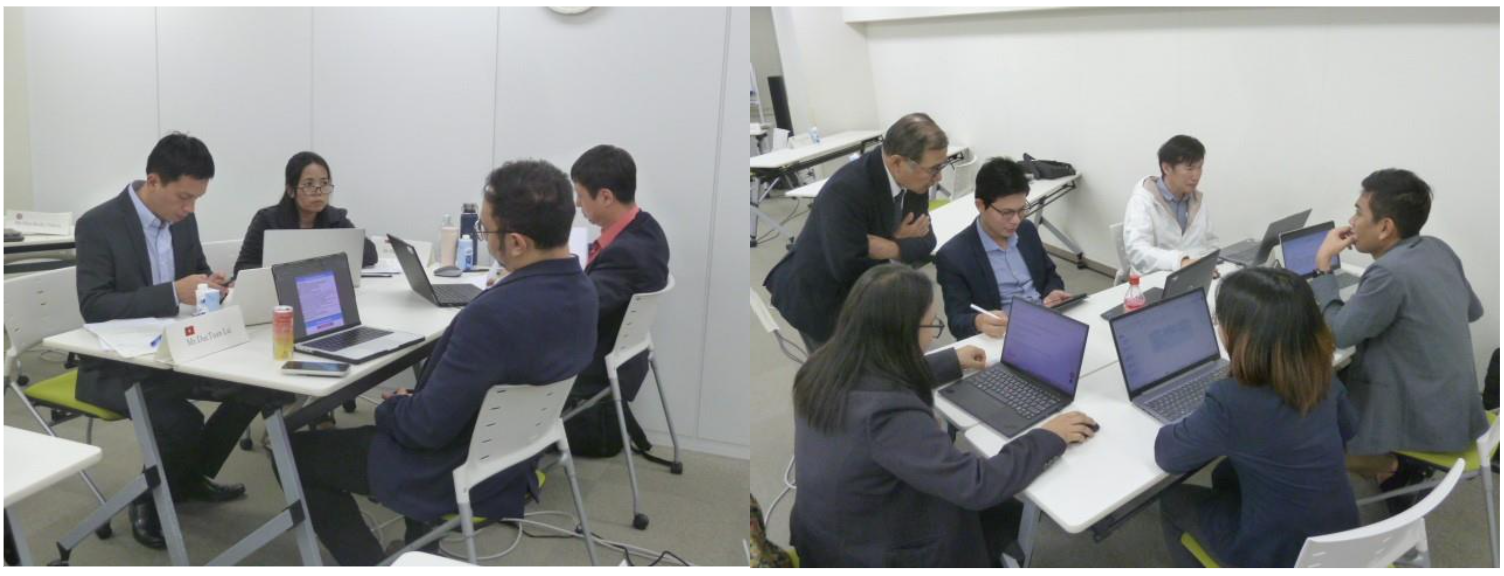
Photo 8. Group Discussion reflecting on lessons and identified key priorities to strengthen EE&C implementation across sectors.
The final day concluded with group discussions and presentation of proposed ideas for CN action plans in each AMS, during which AMS participants reflected on lessons from the week’s sessions and identified key priorities to strengthen EE&C implementation across sectors. The discussions underscored the importance of cross-border knowledge exchange particularly in developing coherent reporting platforms, benchmarking frameworks, non-fossil fuel strategies, mandatory reporting for transportation sector, and sector-specific action plans, including approaches applied in energy-intensive industries. Participants also recognised persistent challenges such as differing levels of legislative readiness, the need for clearer inter-ministerial coordination, financial and technical constraints, and varying industry capacities. The workshop was concluded by ACE, delivering the Summary of Training Programme, reaffirming ECAP37’s role in advancing ASEAN’s collective decarbonisation efforts and its commitment to further regional collaboration.
About ASEAN-Japan Energy Efficiency Partnership (AJEEP)
ASEAN-Japan Energy Efficiency Partnership (AJEEP), as part of the ASEAN Senior Officials Meeting on Energy and Japan’s Ministry of Economy, Trade, and Industry (SOME-METI) Work Programme for 2025-2026, is a regional cooperation initiative between ASEAN and Japan, implemented by the ACE and ECCJ with financial support from Japan’s Ministry of Economy, Trade, and Industry. This partnership aims to strengthen the capacity of AMS and reduce disparities in Energy Efficiency and Conservation policies and practices. ECAP began in 2012 as a capacity-building initiative for EE&C in AMS.


