


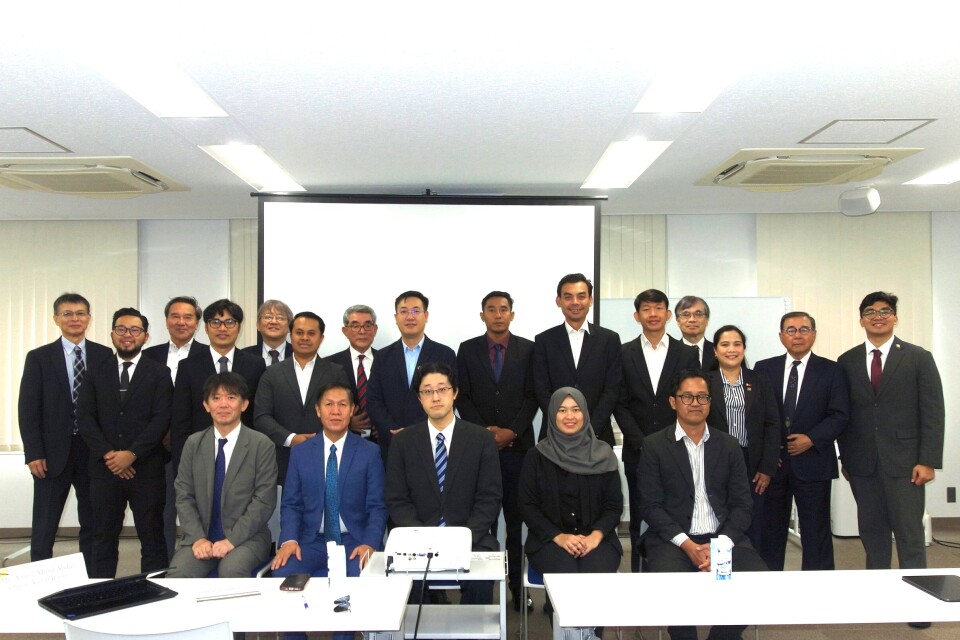
Photo 1. Participants of ECAP36 on Building
The ASEAN Centre for Energy (ACE), in collaboration with the Energy Conservation Center Japan (ECCJ), co-organised the 36th Energy Conservation Workshop under ASEAN-Japan Energy Efficiency Partnership (ECAP36) on 27 – 31 October 2025 in Tokyo, Japan. The Workshop was attended by representatives from ACE, ECCJ, and nine ASEAN Member States (AMS) – Brunei Darussalam, Cambodia, Indonesia, Lao PDR, Malaysia, Myanmar, Philippines, Thailand, and Viet Nam.
ECAP36 is a capacity-building workshop that aims to discuss the guidelines for the new Zero Energy Building (ZEB) category of the ASEAN Energy Award (AEA), inviting representatives of the Board of Judges for AEA. The workshop also disseminates the latest technologies and policies for establishing Energy Efficiency (EE) standards in buildings toward carbon neutrality. This includes improving understanding of and providing training on the Japanese tool WEBPRO for evaluating compliance with energy conservation design standards for non-residential buildings across ASEAN.
The first day of the ECAP36 workshop began with a joint lecture by the Ministry of Economy, Trade, and Industry (METI) Japan and ECCJ, which focused on sharing Japanese Energy Efficiency and Conservation (EE&C) building standards toward carbon neutrality. The session continued with AMS country reports, where representatives detailed the current energy conservation landscape, including challenges related to ZEB, Building Energy Code (BEC), and Green Building Code (GBC). The reports highlighted critical issues, including the weak enforcement of codes due to voluntary regulations and fragmented coordination, a shortage of standardised local energy data (EUI benchmarks) hindering effective goal setting, and an underdeveloped ESCO market and high upfront costs acting as major barriers to green financing for ZEB and EE projects.

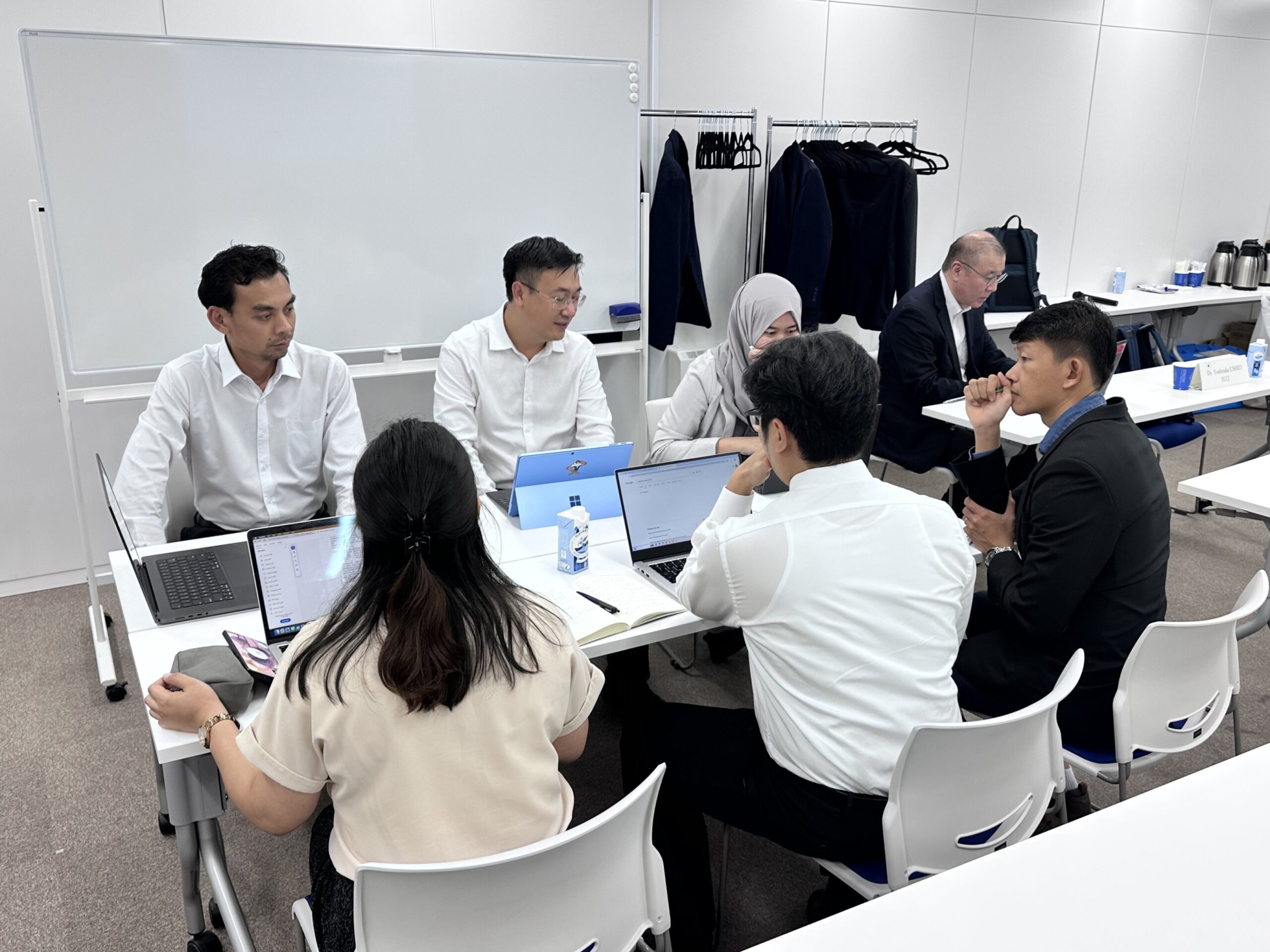
Photo 2. Group Discussion for the new ZEB Category in the ASEAN Energy Awards
The second day of the workshop began with a presentation by Mardika Firlina, Technical Officer of the Energy Efficiency and Conservation Department at ACE, who shared the 2025 AEA report for the ZEB category and outlined the proposed evaluation criteria for this newly introduced award. The session continued with an introduction to the Energy Conservation Grand Prize by Dr Yoshitaka Ushio, Senior Advisor of the International Cooperation Division at ECCJ, who shared the awarding categories, sectors, fields, and evaluation methods, including Japanese ZEB Award-winning cases that can be used as a reference for the AEA ZEB category.
The lectures continued with Japanese invited companies sharing technologies and products for ZEB. This included AGC, which focused on using high-performance glass and the Solar Factor (SF) to manage heat gain; SANKEN, which showcased innovative air conditioning systems for deep decarbonisation and comfort; and TAISEI, which emphasised the necessity of deep retrofitting for existing buildings (Renewal ZEB) to achieve national carbon neutrality goals.
The day ended with group discussions among participants focused on the development guideline, evaluation procedures, and criteria of the new ZEB Category in the AEA. This category has been elevated to be a new, standalone category within the ASEAN Energy Awards, with official submission guidelines expected for the AEA 2026 cycle.
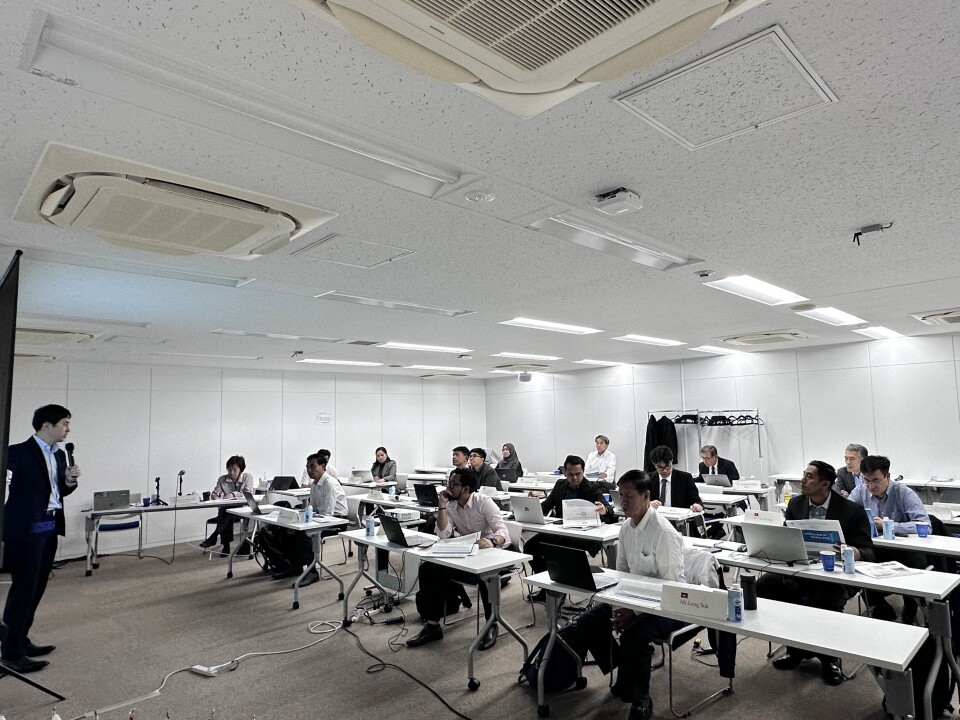
Photo 3. Lecture and Training Session for WEBPRO
The third day of the workshop, featuring presentations and lectures by Dr Masato Miyata from the National Institute for Land and Infrastructure Management, Ministry of Land, Infrastructure, Transport, and Tourism, focused on introducing and training AMS participants on how to operate WEBPRO, an online simulation tool for quickly and accurately calculating the complex Building Energy Index (BEI). By adopting a similar digital tool like WEBPRO for immediate and cost-effective design-stage validation and standardised energy auditing, AMS can significantly accelerate the implementation and enforcement of a national BEC.
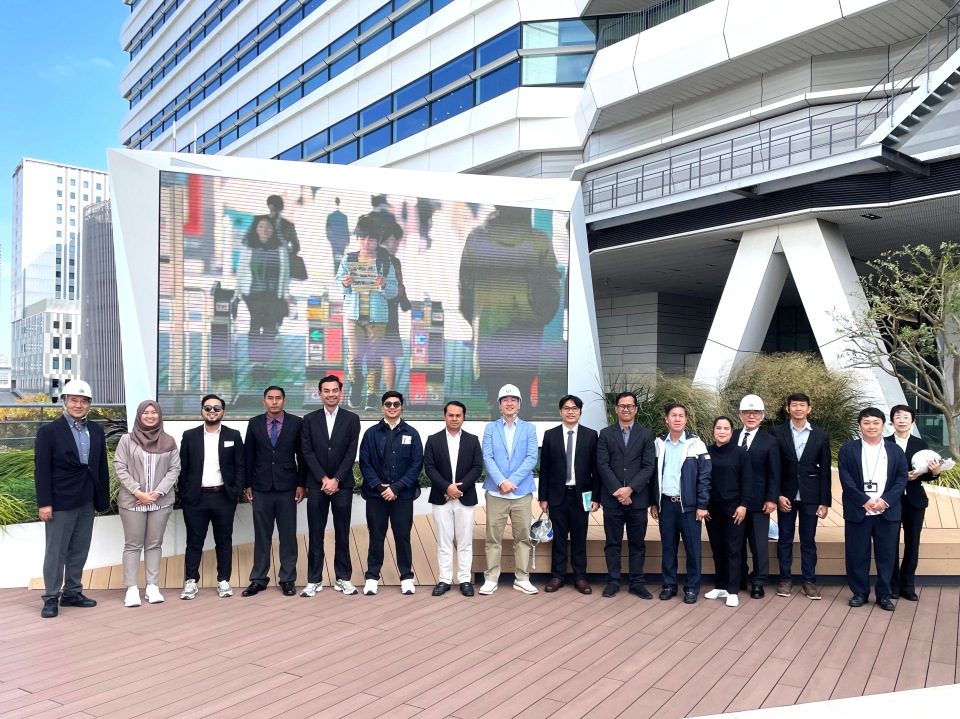
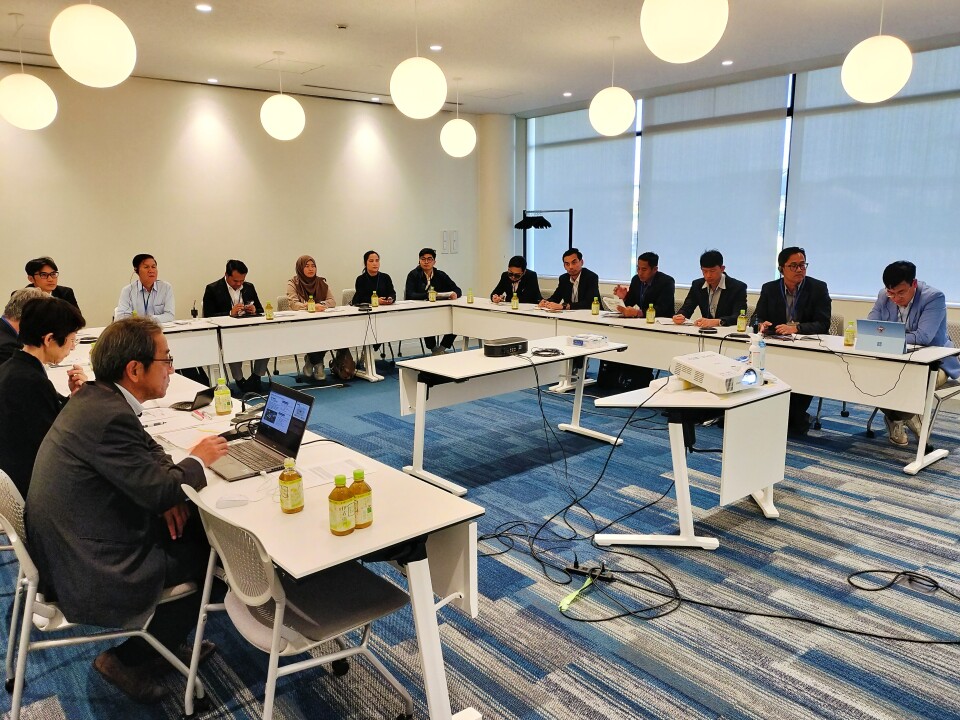
Photo 4. ECAP36 Site Visits to Michi-Terrace TOYOSU
On the fourth day, participants had the opportunity to engage in two site visits to buildings, which provided practical insights into Japan’s approach to energy efficiency and conservation in the building sector. The first site visit took place at the Michi-Terrace TOYOSU by Shimizu Corporation, a 2024 EE&C awardee. As an integrated development consisting of an office building, hotel building, and transport plaza, it implements several energy saving measures by utilising waste heat, district heating and cooling, and unique building interiors to maximise energy usage.
The key lesson for EE implementation is that successful projects require creative, integrated design planning, such as cold water reuse and daylight utilisation, to achieve substantial primary energy reduction, like the 56.6% realised here. Furthermore, maximising the impact involves embedding digital solutions, such as a Building OS, and engaging the public to enhance energy conservation awareness and wider smart city development.
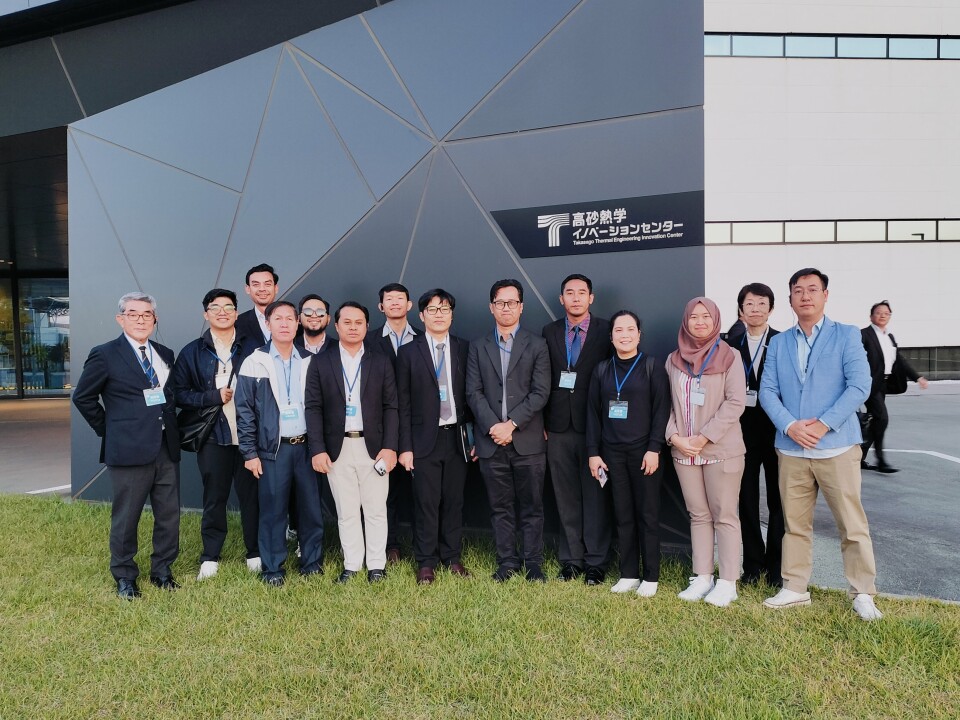
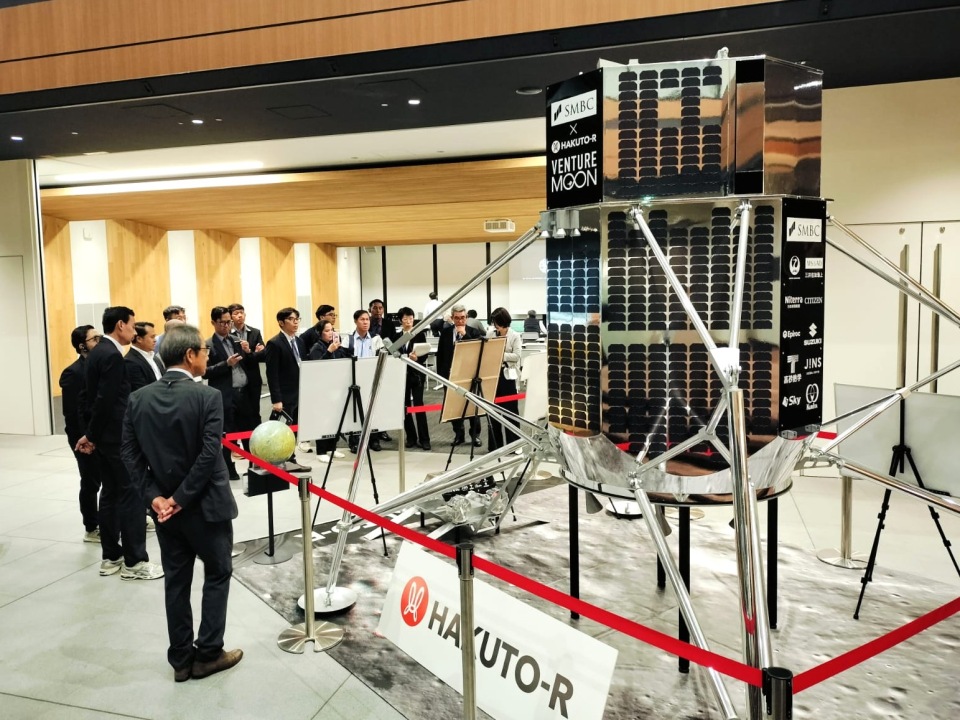
Photo 5. ECAP36 Site Visit to Takasago Thermal Engineering Innovation Center
The second site visit was to the Takasago Thermal Engineering Innovation Center, a 2023 EE&C awardee, which serves as a nearly ZEB example of an energy independent facility. This pioneering design is aimed at off-grid operation, utilising an energy supply and demand system that combines power from solar panels, biomass Combined Heat and Power (CHP), and groundwater. Key to the energy saving heat source systems is the active utilisation of natural and unused energy, specifically leveraging groundwater heat and biomass CHP exhaust heat for the main supply. Furthermore, the building implements a unique human-centric air conditioning system that customises climate control based on individual preference, employing an Outdoor Handling Unit (OHU) to precisely manage intake air temperature and humidity.
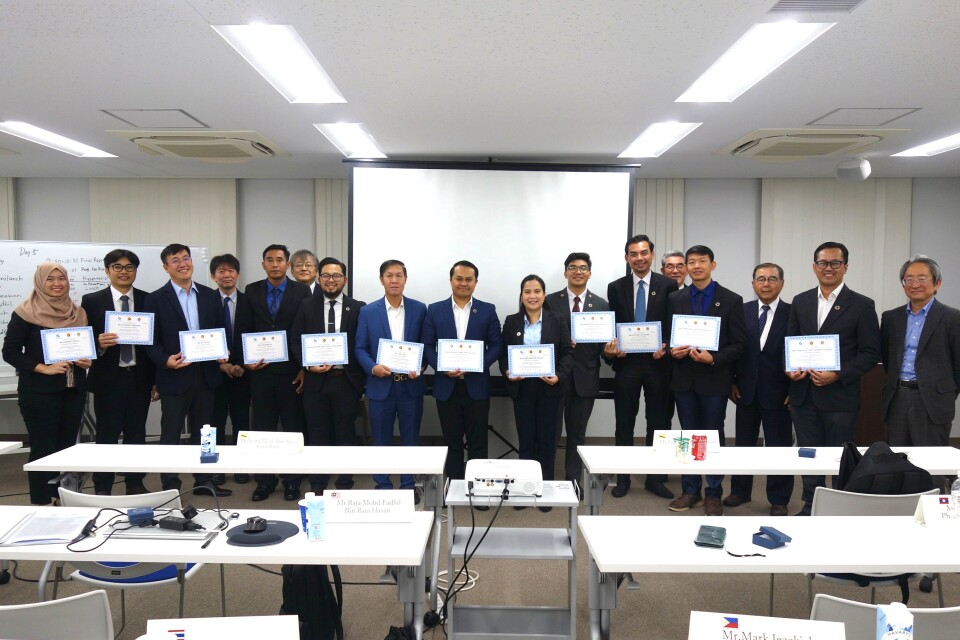
Photo 6. Awarding and Closing Ceremony ECAP36
The workshop concluded on Day 5 with the AMS final presentation, which detailed key action plans for advancing EE&C in buildings within their respective countries. These plans focused on the importance of regulatory frameworks, government support, assessment tools like WEBPRO, and the significance of building standards and labelling. The event wrapped up with a specific request for AMS support and active participation in the newly established AEA ZEB Category for the 2026 cycle.
ASEAN-Japan Energy Efficiency Partnership (AJEEP), as part of the ASEAN Senior Officials Meeting on Energy and Japan’s Ministry of Economy, Trade, and Industry (SOME-METI) Work Programme for 2025-2026, is a regional cooperation initiative between ASEAN and Japan, implemented by the ACE and ECCJ with financial support from Japan’s Ministry of Economy, Trade, and Industry. This partnership aims to strengthen the capacity of AMS and reduce disparities in Energy Efficiency and Conservation policies and practices. ECAP itself began in 2012 as a capacity-building initiative for EE&C in AMS.


