


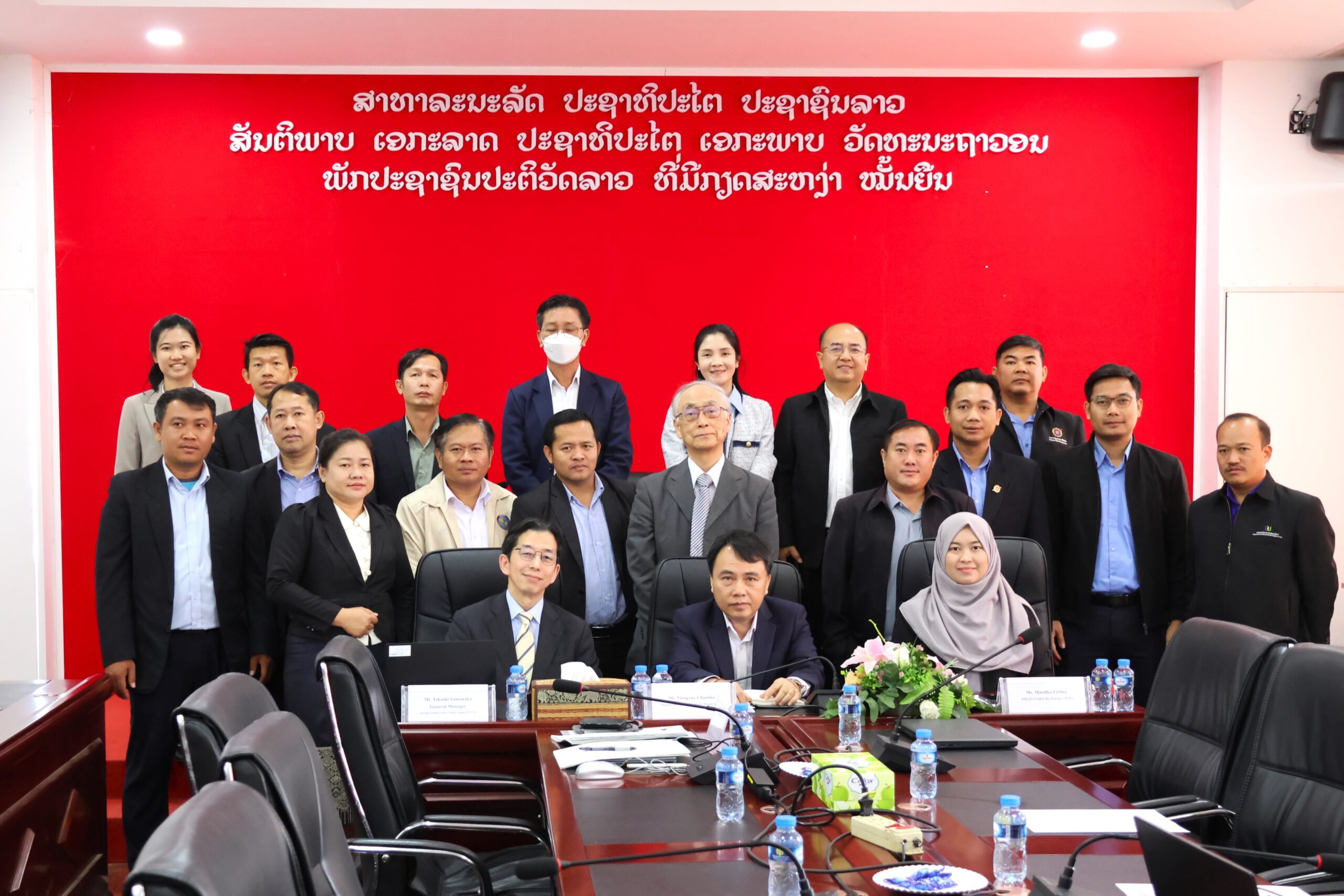
Photo 1. Participants of the SAEMAS CSM Dissemination Seminar in Lao PDR
Lao PDR, 26 November 2025 — The ASEAN Centre for Energy (ACE), in collaboration with the Energy Conservation Centre Japan (ECCJ), co-organised the SAEMAS Common Standard Module (CSM) Dissemination Seminar in Lao PDR under ASEAN-Japan Energy Efficiency Partnership (AJEEP) on 26 November 2025 in Lao PDR, hosted by the Department of Energy of Ministry of Industry and Commerce (MOIC). The seminar attended by representatives from ACE, ECCJ, MOIC, Electricité du Laos (EDL), and National University of Lao (NUOL), aimed to raise awareness of SAEMAS and accelerate the establishment of the Lao PDR’s energy management certification scheme by discussing and promoting the adoption of SAEMAS CSM.
Viengxay Chantha, Assistant Director of Department of Energy, MOIC, opened the meeting by delivering the welcome remarks, and subsequently led the discussion among the participants. The Seminar started with a presentation on SAEMAS CSM utilisation, discussing the current status of the Energy Management System (EMS) in Lao PDR.
Mardika Firlina, Technical Officer, Energy Efficiency and Conservation Department, ACE, shared an overview of the current EMS status and ASEAN EE&C in APAEC. Lao PDR, which already has an EE&C Policy and a comprehensive Decree, is now drafting regulations that require qualified energy managers and structured audits for designated facilities. Since its own certification system is still under development, SAEMAS can provide a pre-existing regional standard and curriculum that Lao agencies can adapt rather than design from scratch.
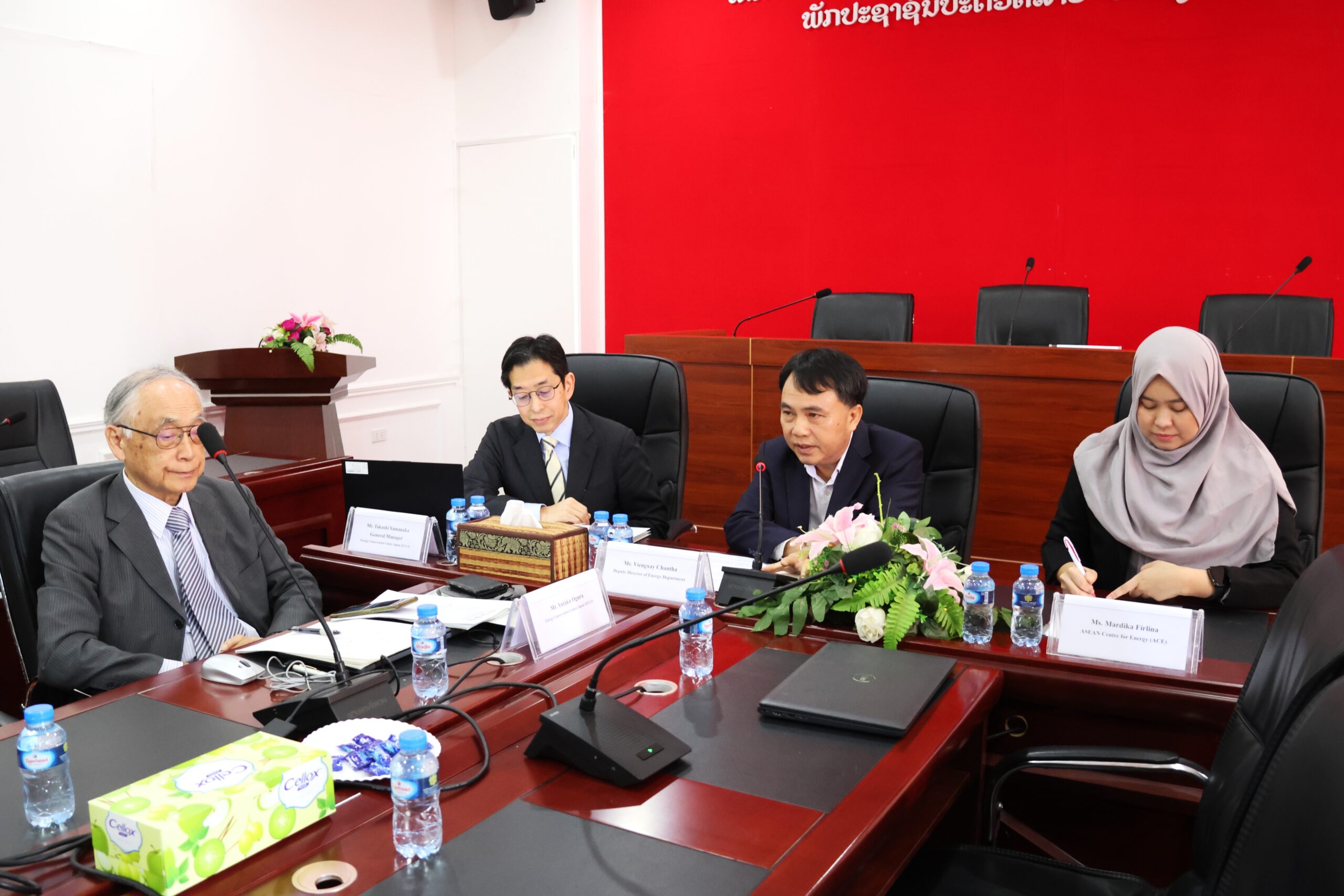
Photo 2. Discussion session led by Viengxay Chantha, Assistant Director, Ministry of Industry and Commerce (MOIC). (Left to right: Yutak Ogura (ECCJ), Takashi Yamanaka (ECCJ), Viengxay Chantha (MOIC), Mardika Firlina (ACE))
Takashi Yamanaka, General Manager, ECCJ, presented the AJEEP Scheme 4 activity results, where SAEMAS itself is structured around two qualification levels: the ASEAN Energy Management Professional (ASEANEMP), certified through the Common Standard Module and the Senior Energy Management Professional, certified through the Advanced Module (AM). Provisional ASEANEMP certificates are already being awarded to trainees who complete the CSM trial, pass exams, and submit energy audit reports, with formal recognition to follow once the regional accreditation body is established.
Yutaka Ogura, Technical Expert, ECCJ, then presented the outline of SAEMAS CSM training and its trial run, where the CSM syllabus combines three elements: practical energy management training using miniplant simulations and equipment demonstrations, a structured energy audit practice on real or virtual facilities, and a five-day lecture style course covering energy management, thermal and electrical technologies, and applied exercises. As of November 2025, there are five (5) provisional ASEAN-EMP from the Lao PDR.
Phonepasong Sithideth, Head of Energy Efficiency and Conservation Division, Department of Energy, MOIC, presented the development status of EMS in Lao PDR, where Lao PDR has established a Policy on EE&C and a Decree on EE&C that provide the legal framework for energy management obligations. draft regulations on energy management in designated factories and buildings, draft energy conservation guidelines for industry and residential users, an energy building code, minimum performance and certification rules for air conditioners, and a clean energy strategy for transport that includes electric vehicle promotion.
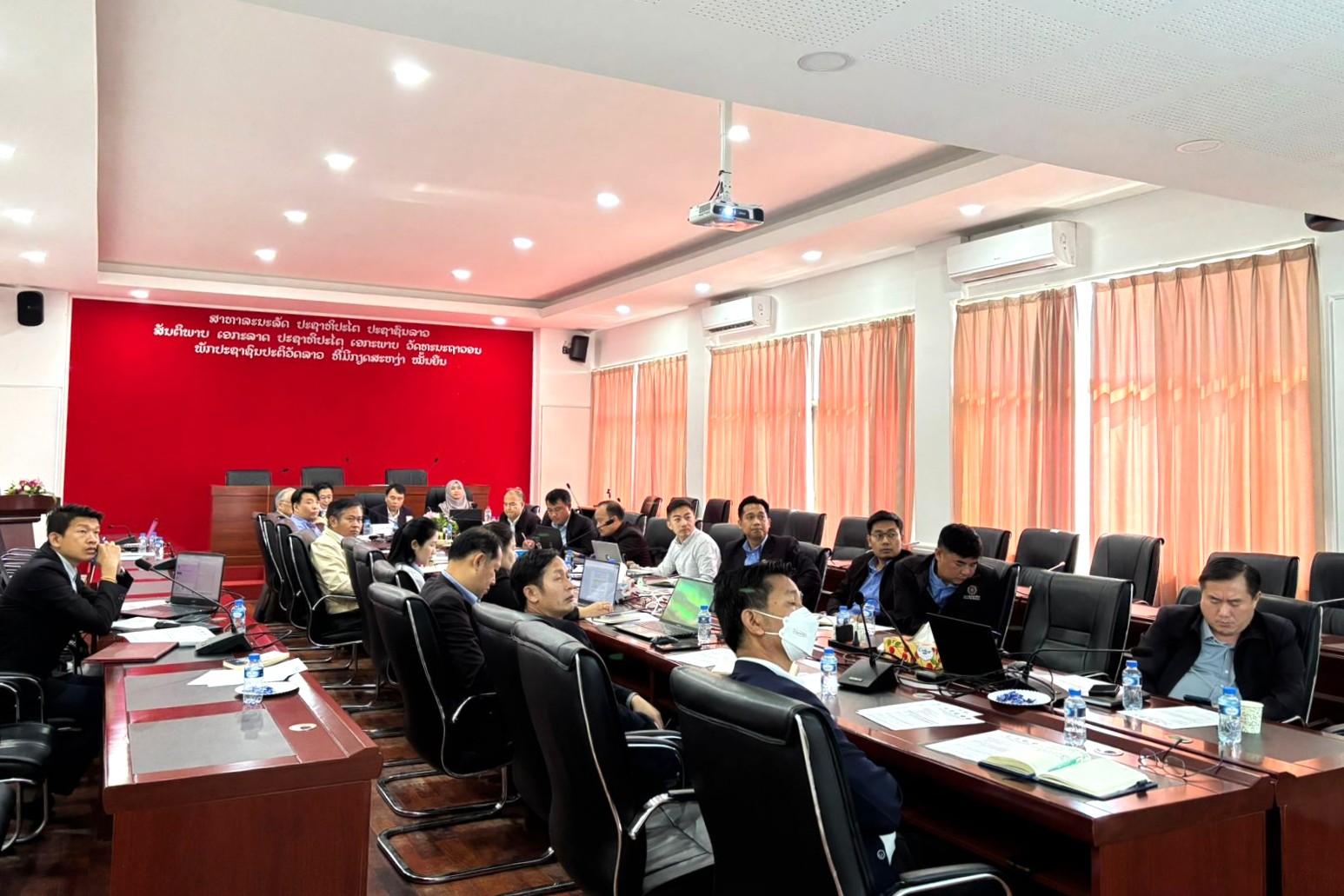
Photo 3. SAEMAS CSM dissemination seminar in Lao PDR
The second part of the Seminar focuses on a discussion session for future cooperation, where participants are divided into groups. The group discussion focused on how to strengthen Lao PDR’s national training system for energy managers and embed SAEMAS CSM content into that system. To address this, they proposed creating a National Training Steering Committee to harmonise roles, procedures, and standards, and to develop a common curriculum template with clear learning outcomes, modular structure, and assessment methods aligned with SAEMAS. They further suggested a need for onsite capacity building support, training on data collection and analysis for ministry staff and EDL trainers, and support in drafting manuals, requirements, and regulations for energy intensive factories and buildings.
The group discussion also highlighted gaps in trainer capacity and teaching methods, noting both a shortage of qualified trainers and an overreliance on lecture-based courses that limit engagement and practical learning gaps in trainer capacity and teaching methods. To address these constraints, the group recommended train-the-trainer programmes, demonstration projects, and a roadmap to roll out structured energy management training for these facilities.
ASEAN-Japan Energy Efficiency Partnership (AJEEP), as part of the ASEAN Senior Officials Meeting on Energy and Japan’s Ministry of Economy, Trade, and Industry (SOME-METI) Work Programme for 2025-2026, is a regional cooperation initiative between ASEAN and Japan, implemented by the ACE and ECCJ with financial support from Japan’s Ministry of Economy, Trade, and Industry (METI). This partnership aims to strengthen the capacity of AMS and reduce disparities in Energy Efficiency and Conservation (EE&C) policies and practices.


