


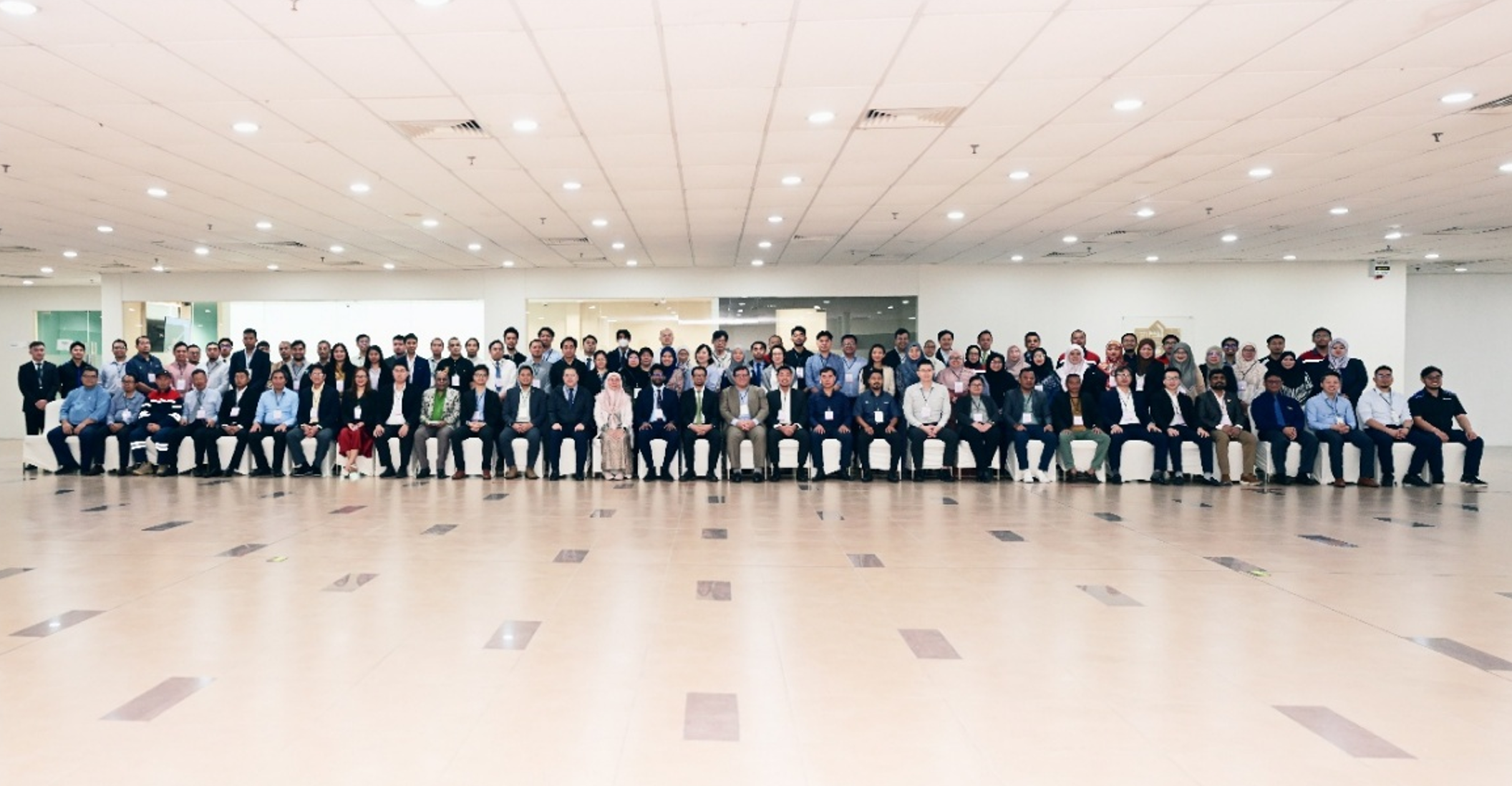
Photo 1. Group photo of the workshop participants.
Bandar Seri Begawan, 4-5 November 2025 – the ASEAN Centre for Energy (ACE), in collaboration with HAPUA Working Group 5 (Department of Electrical Services (DES) Brunei Darussalam) and through the support of EU-SCOPE IF, successfully delivered a Capacity Building Workshop on Power Interconnection, Variable Renewable Energy (VRE) Grid Integration and Protection System.
The event convened the system planners and operators from ASEAN Member States. The two-day workshop brought together ASEAN system operators, utilities, and energy agencies to strengthen technical understanding of VRE grid integration, power interconnection planning, and protection systems, while identifying common technical assistance needs to advance regional connectivity and clean energy integration under the ASEAN Power Grid vision.
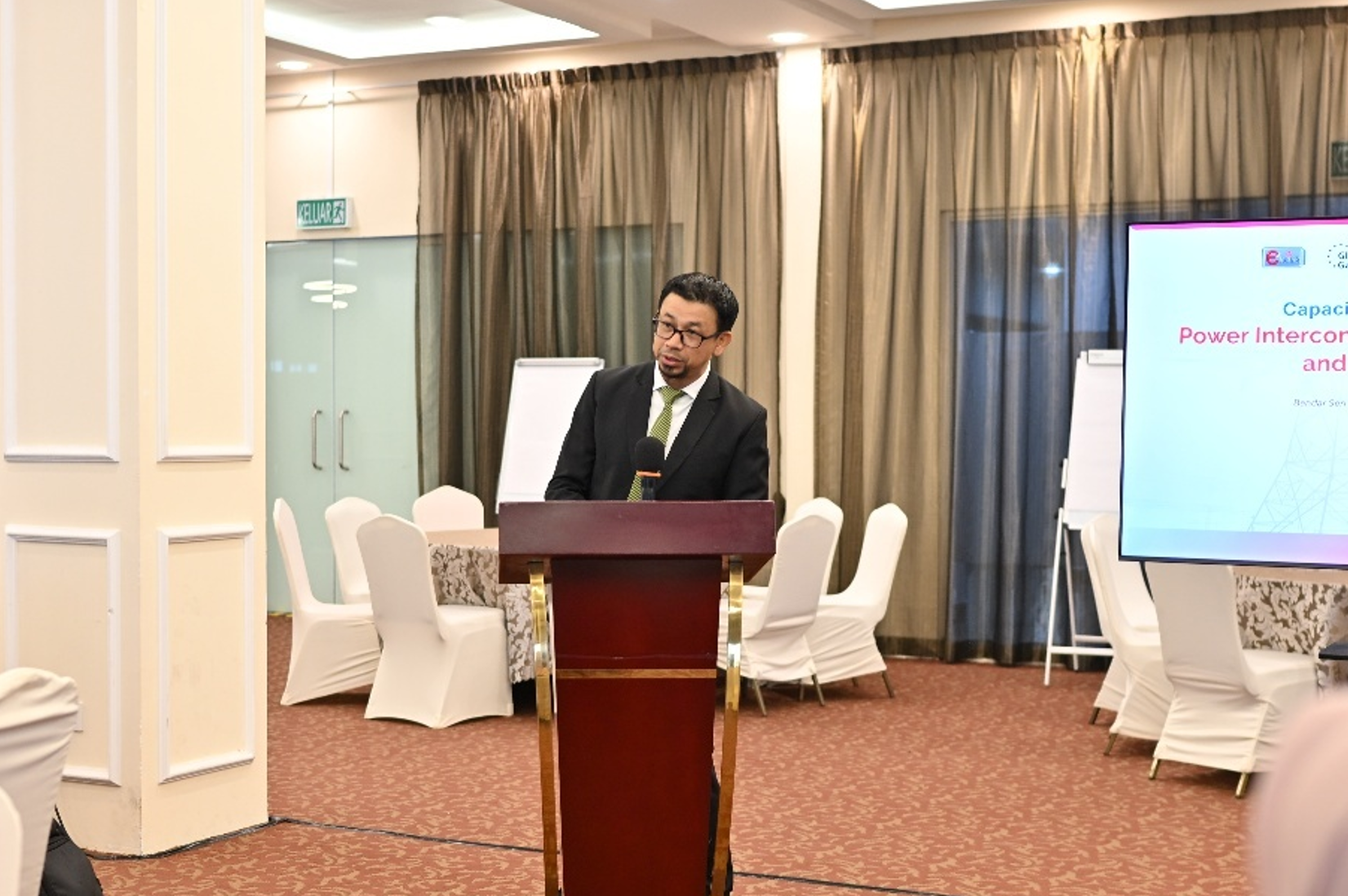
Photo 2. Opening remarks from Ahmad Ridza bin Dato Seri Setia Haji Abdul Rahman, Acting Director of DES Brunei.
Ahmad Ridza bin Dato Seri Setia Haji Abdul Rahman, the Acting Director of DES Brunei, officiated the workshop by delivering a warm welcoming remark to all participants, underlining the importance of close collaboration between ASEAN utilities in enhancing security and reliability of cross-border transmission operation. Nadhilah Shani, Manager of Power Generation and Interconnection Department at ACE and Pedro Pimentel, Sustainable Investment Expert of EU–SCOPE IF, followed the opening remark from DES by collectively highlighting the importance of enhancing technical readiness for ASEAN’s evolving power system.
Following the remarks, Ignatius Primadi Limin, Senior Research Analyst at ACE, started the event with a scene setting presentation on the Challenges of Power Interconnection and VRE Integration. The presentation highlighted ASEAN’s growing energy demand and diverse grid infrastructures, that creates the critical role of cross border power exchanges in fulfilling the demand. The presentation also highlighted the growing trend of variable renewable energy (VRE) integration that adds a layer of complexity in grid operation due to fluctuating generation, grid stability issues, and differing technical standards across member states.
Addressing these issues requires coordinated system planning, advanced operational tools, and harmonised policies to ensure reliable, efficient, and sustainable regional power exchange. Subsequently, Kiran Sabbineni continued the session with a presentation on the fundamentals of VRE Integration Power System. Through the presentation, Kiran laid the main challenges of high VRE integration, such as energy mismatch, power quality issues, and inaccurate demand projections. He also presented the needs in tackling the issues by enhancing transmission and operational planning, deploying flexible technologies, and supporting policy frameworks. 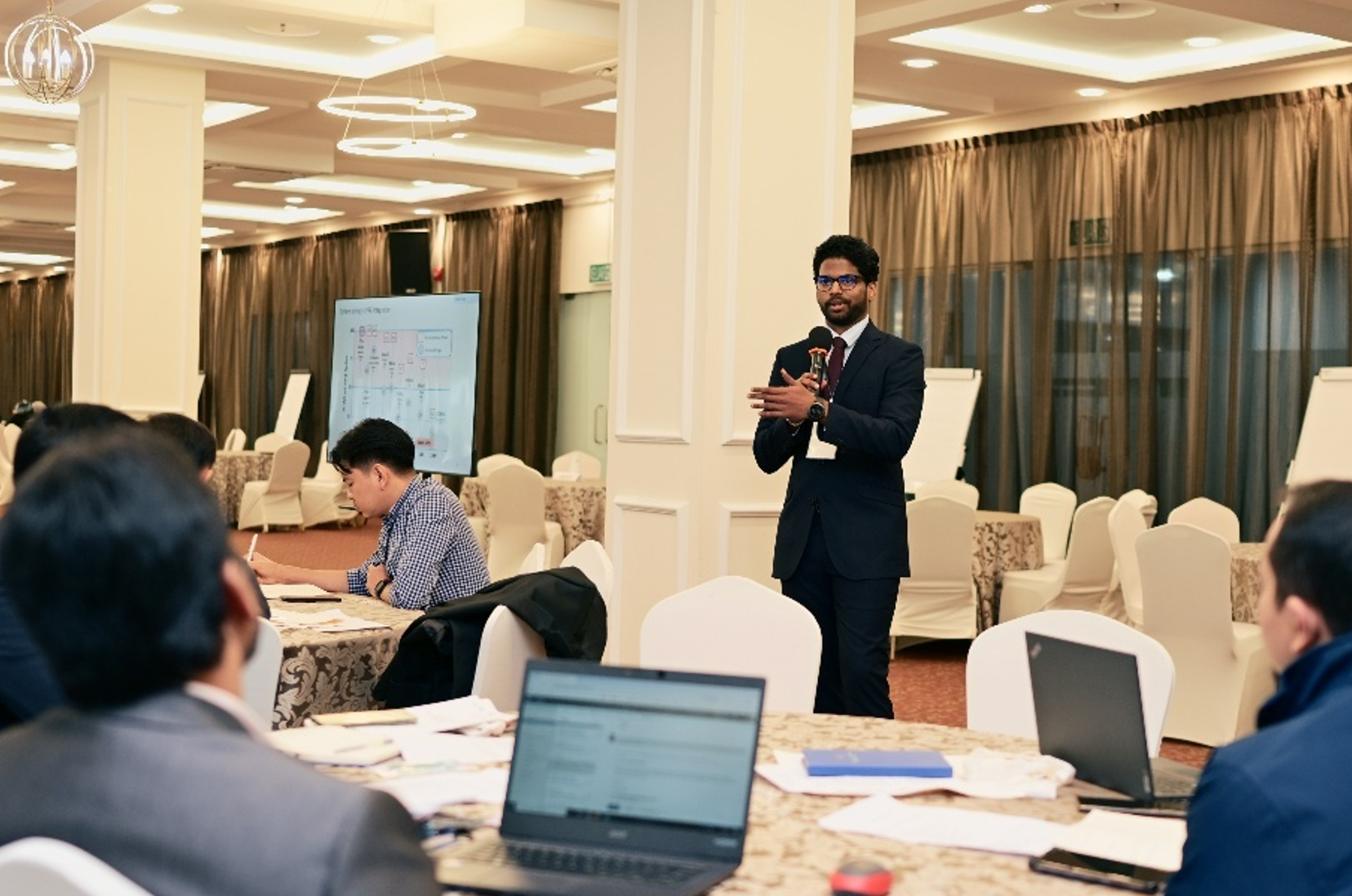
Photo 3. Kiran Sabbineni delivering a presentation on VRE integration.
The session continues with Kiran going over suitable tools for VRE integration, which covers the essentials for integrating variable renewable energy (VRE) like grid modeling technologies, production forecasting, and sub-hourly dispatch systems. He also highlighted the integral role of SCADA and EMS in monitoring, controlling, and optimising grid operations for reliable and efficient VRE integration. The participants were given the opportunity to engage in a discussion on the practical challenges in power system operation. Each of the participating ASEAN Member States representatives shared their concerns in integrating higher VRE, with the discussions going over the topic of the impact of emerging large loads, like data centres, to the grids, inverter-based resources effect on system stability, and peak-shaving strategies. Overall, the exercise helped participants strengthen logical thinking and collaboration, though some parameters, such as gas turbine ramping capabilities, required further clarification.
Subsequently, the following presentation opens the floor for discussion on planning flexibility resources, covering storage options, demand-side management, and system balancing. The session highlighted how these elements work together to enhance grid stability and support reliable integration of renewable energy. Following the presentation, participants were invited for a hands-on exercise, where they successfully grasped the logic of system operation and engaged in open communication with the other ASEAN Member States throughout the session.
The exercise perfectly facilitated the interest of ASEAN Member States in planning available generation resources considering uncertain nature of electricity supply from VRE and the ramping constraints of thermal power generation. The session highlighted how these elements work together to enhance grid stability and support reliable integration of renewable energy.
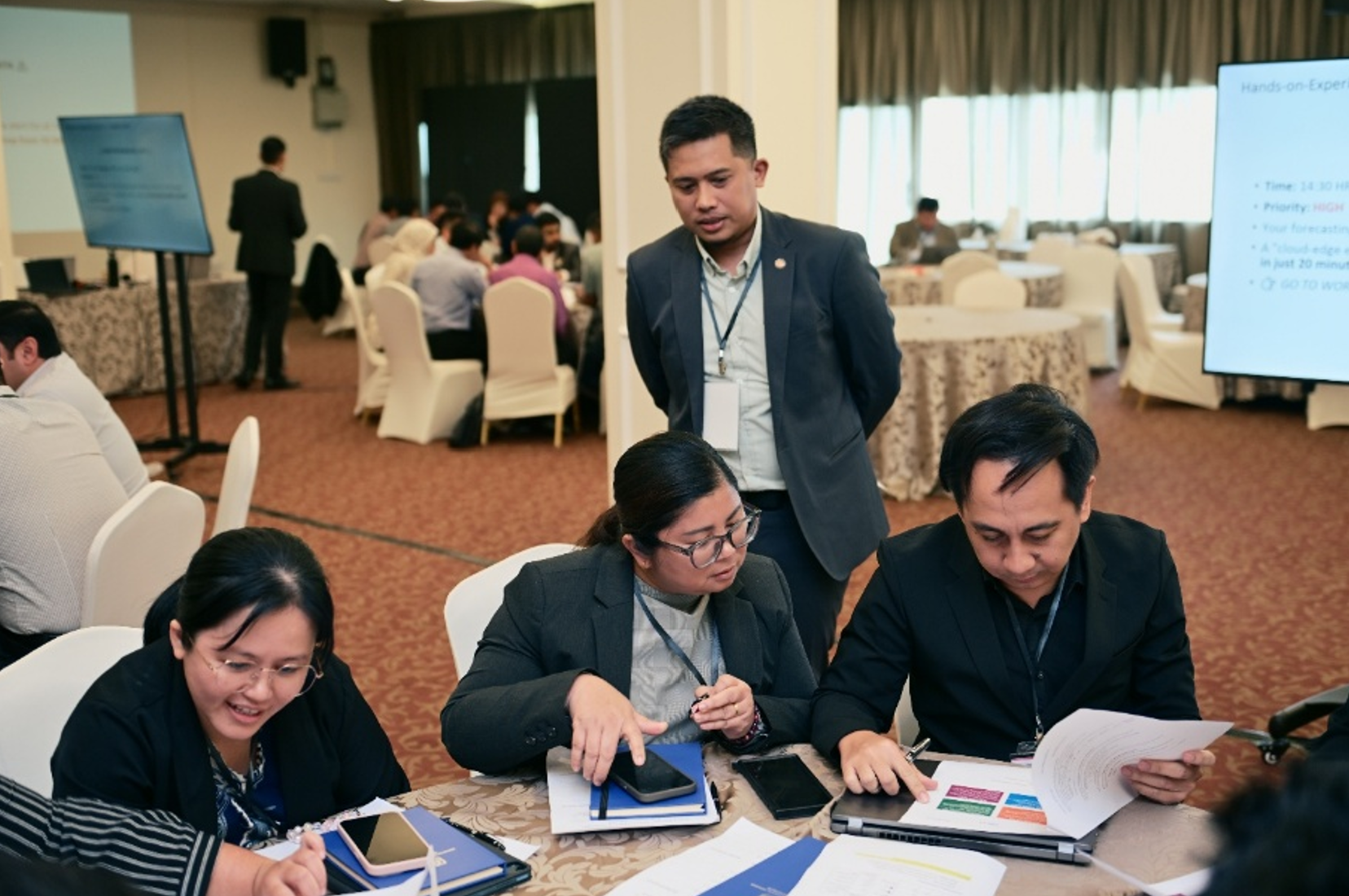
Photo 4. Group exercise on power system operations between the ASEAN Member States.
On the second day, the workshop opened with a presentation on Grid-to-Grid Operations and Reliability Risks. The presentation went into greater details regarding power grid interconnections, highlighting lessons from North America, the EU, and India, which operates a unified synchronous grid across wide area. The discussion highlighted key enablers, which include regulatory alignment, market integration, and HVDC unification. The session also covered frequency response, Automatic Generation Control (AGC), and operating reserves, emphasising the need of haste and close coordination between operators and asset owners.
Then, the session continued with a presentation on the topic of the Protection System of Interconnected Grids with High VRE Penetration. The presentation addressed challenges of high VRE integration, including low fault current, loss of inertia, and miscoordination of relay tripping mechanism. Subsequently, in the Q&A, Kiran explained that preventing unnecessary trips and ensuring reliable islanding depends on system design, noting that some utilities use GSM-based reporting and downstream sensors to monitor DER performance.
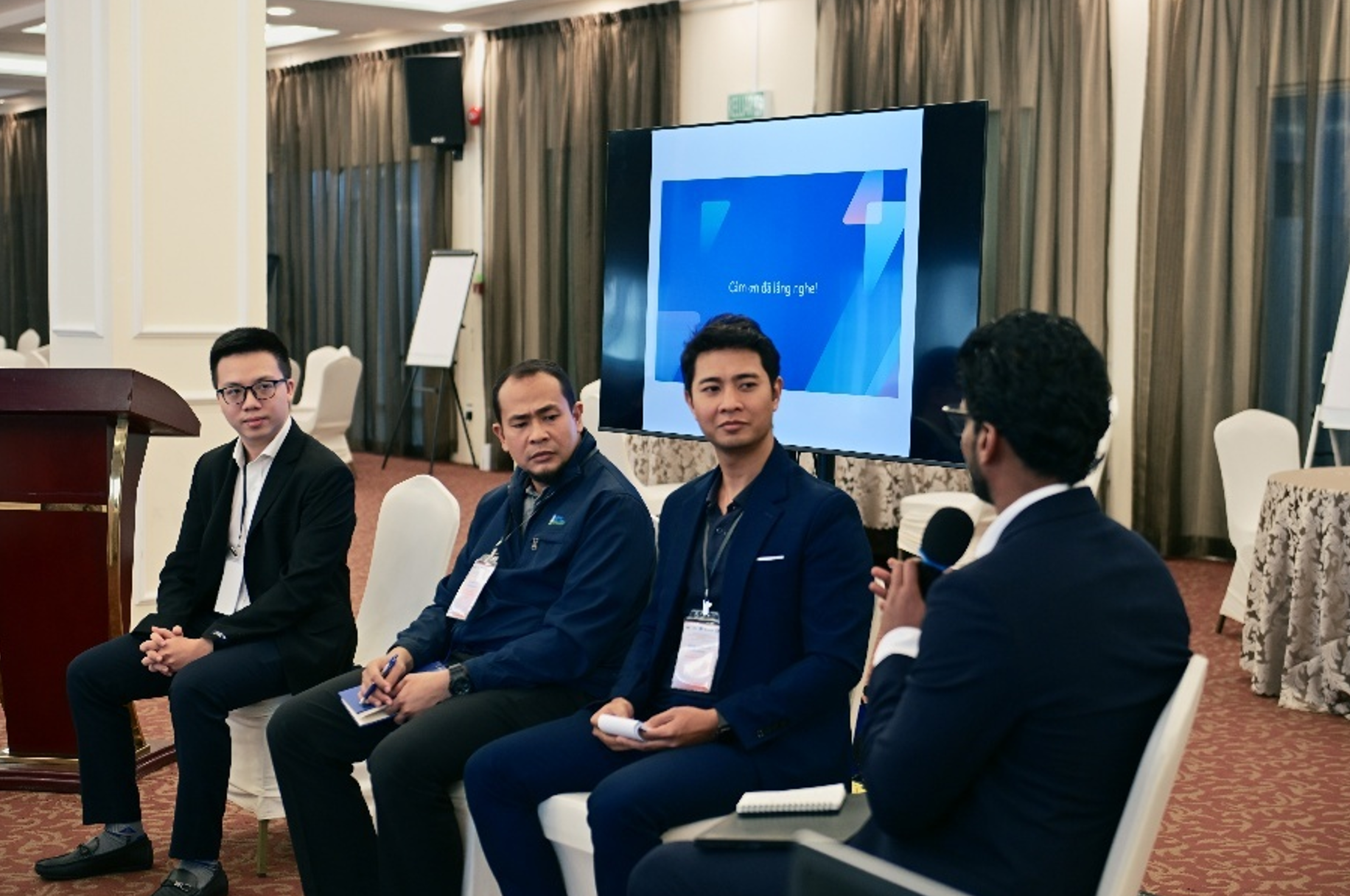
Photo 5. Presentation on the case studies and panel discussions with the ASEAN Member States representatives.
A group exercise followed by a panel discussion featuring case demonstrations with the speakers from the ASEAN Member States, including Kanthanachuck Vorabout of Electricite du Laos (EDL), Mohammad Rohaizan bin Ibrahim and Syarmizal bin Mokhtaruddin of Tenaga Nasional Berhad (TNB) Malaysia, and Hoang Nguyen Khanh of National System and Market Operators (NSMO) Vietnam.
The case studies shared the ASEAN Member States experience and challenges in managing seasonal variability, hydropower reservoir control, and balancing regional demand. Malaysia specifically shared experiences on interconnections with Thailand and joint operations with Singapore for subsea cable management. Lao PDR explored the parallel operation of solar and hydropower with coordinated interconnections, while Vietnam shared the decrease fault events through root cause analysis, equipment testing, stabilisers deployment, and joint exercises between EDC and NSMO to improve system reliability.
The workshop highlighted the key needs and priorities of ASEAN Member States, providing a clear pathway for advancing the implementation of the ASEAN Power Grid (APG). As the APG Secretariat, ACE will continue to promote regional energy cooperation, support capacity-building initiatives, and address training needs to strengthen power system reliability, ensure secure energy supply, and enhance overall power quality across the region.


