


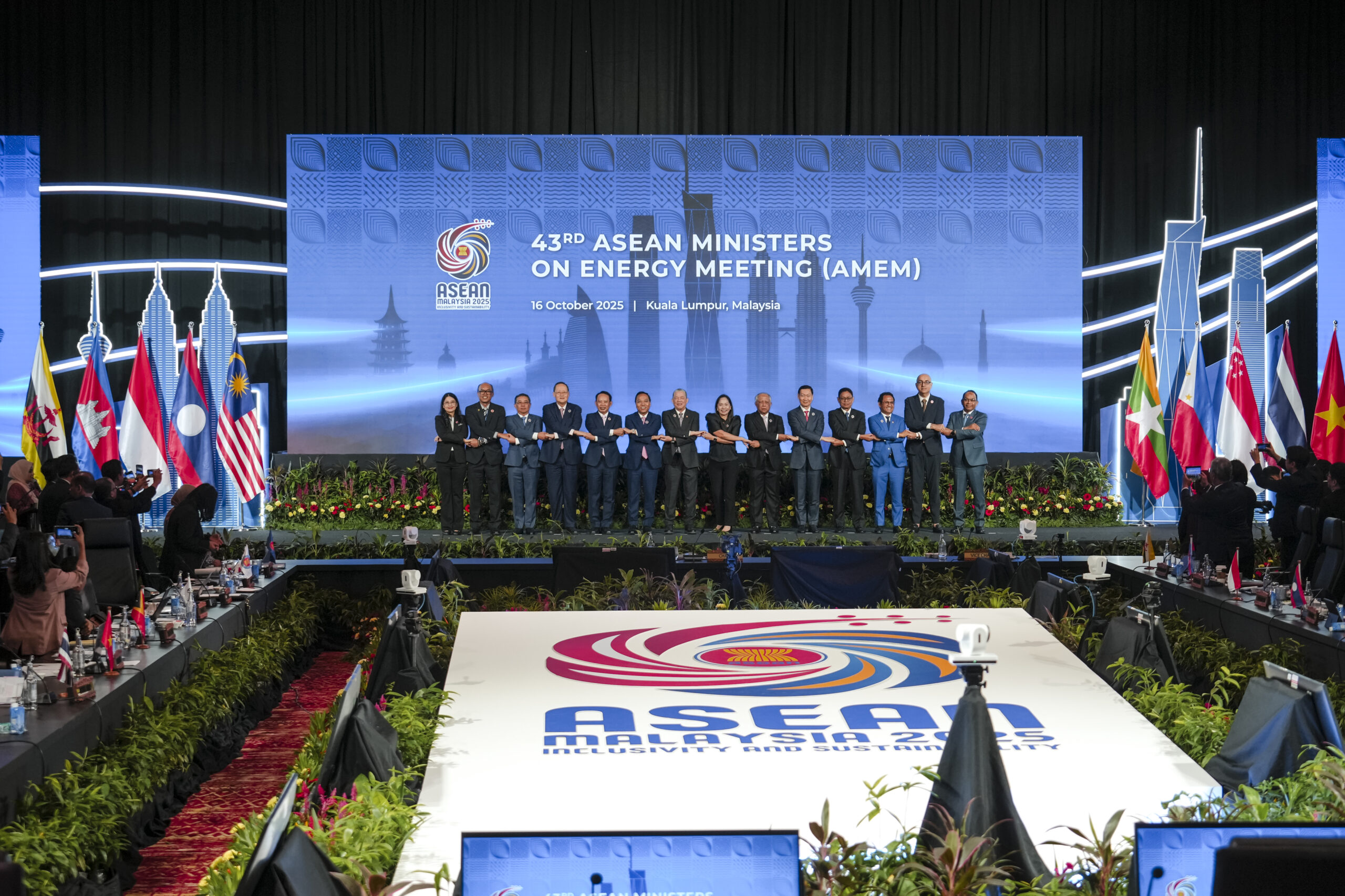
Photo 1. ASEAN Energy Ministers at the 43rd AMEM.
The ASEAN Centre for Energy (ACE) participated in the 43rd ASEAN Ministers on Energy Meeting (AMEM) and its Associated Meetings, in Kuala Lumpur, Malaysia, on 14-17 October 2025. Following Malaysia’s leadership theme “Powering ASEAN: Bridging Boundaries, Building Prosperity”, the Meeting was chaired by H.E. Datuk Amar Haji Fadillah bin Yusof, Deputy Prime Minister and Minister of Energy Transition and Water Transformation (PETRA) of Malaysia, and was held in conjunction with the ASEAN Energy Business Forum (AEBF) 2025.
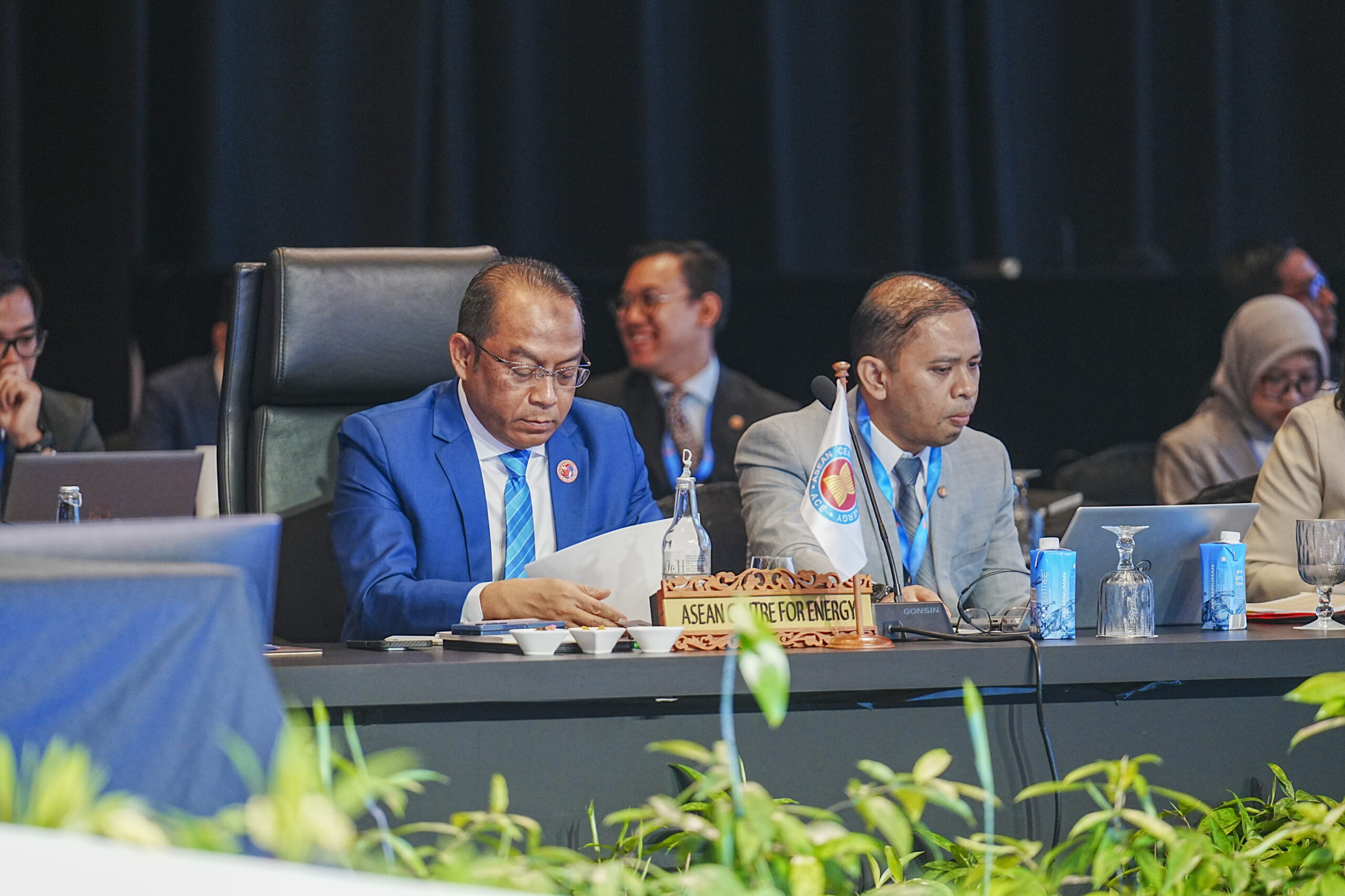
Photo 2. ASEAN Centre for Energy (ACE) at the 43rd AMEM and Associated Meetings.
The Meeting marked ASEAN Member States (AMS) continued role as a platform to strengthen dialogue and cooperation on regional energy issues, which brought together ministers on energy from AMS, dialogue partners (DPs), international organisations, as well as Timor Leste as observer, reinforcing region’s commitment to advancing a just, inclusive, and low-carbon energy transition.
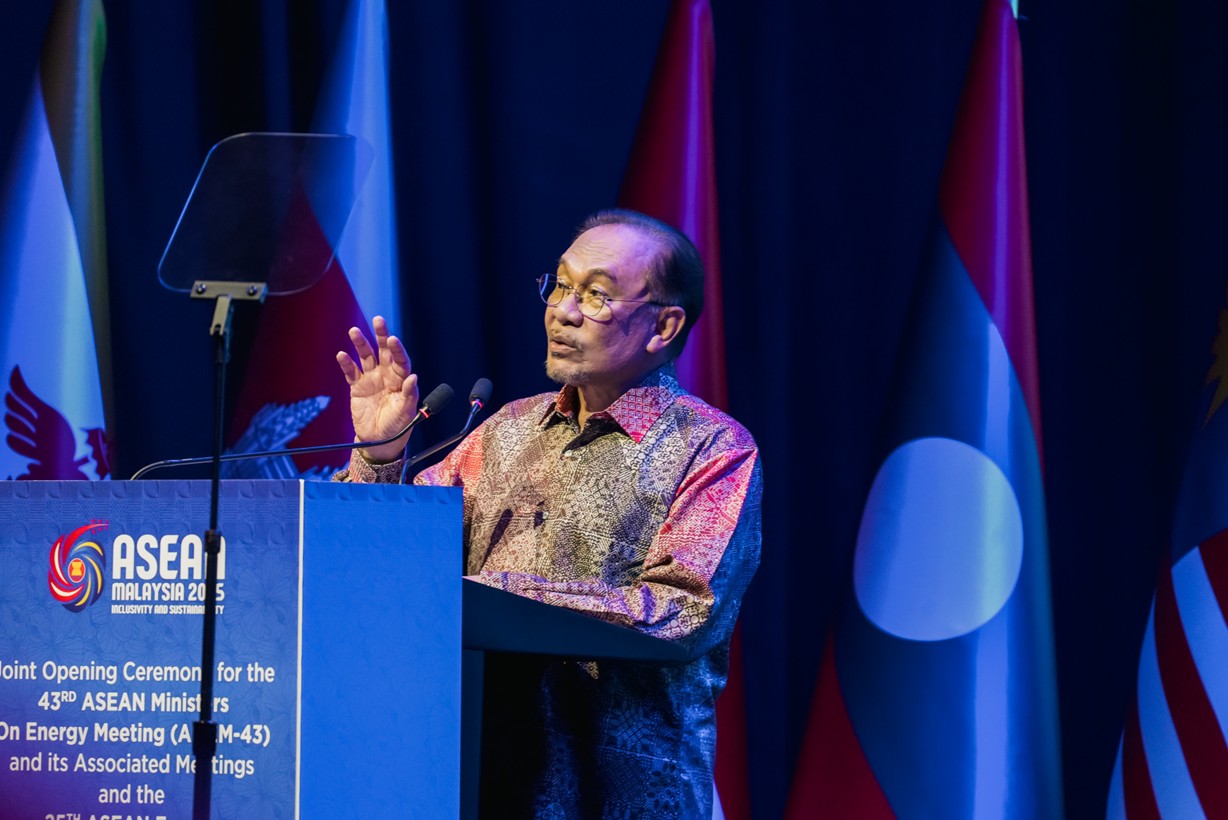
Photo 3. Opening remarks by Prime Minister YAB Dato’ Seri Anwar bin Ibrahim, Prime Minister of Malaysia.
During the joint opening ceremony of the 43rd AMEM and AEBF, Malaysia’s Prime Minister YAB Dato’ Seri Anwar bin Ibrahim, delivered an opening remark, highlighting the importance of collaboration among ASEAN Member States to advance regional energy cooperation. He reaffirmed Malaysia’s commitment to drive the region’s energy growth and resilience for the decades ahead.
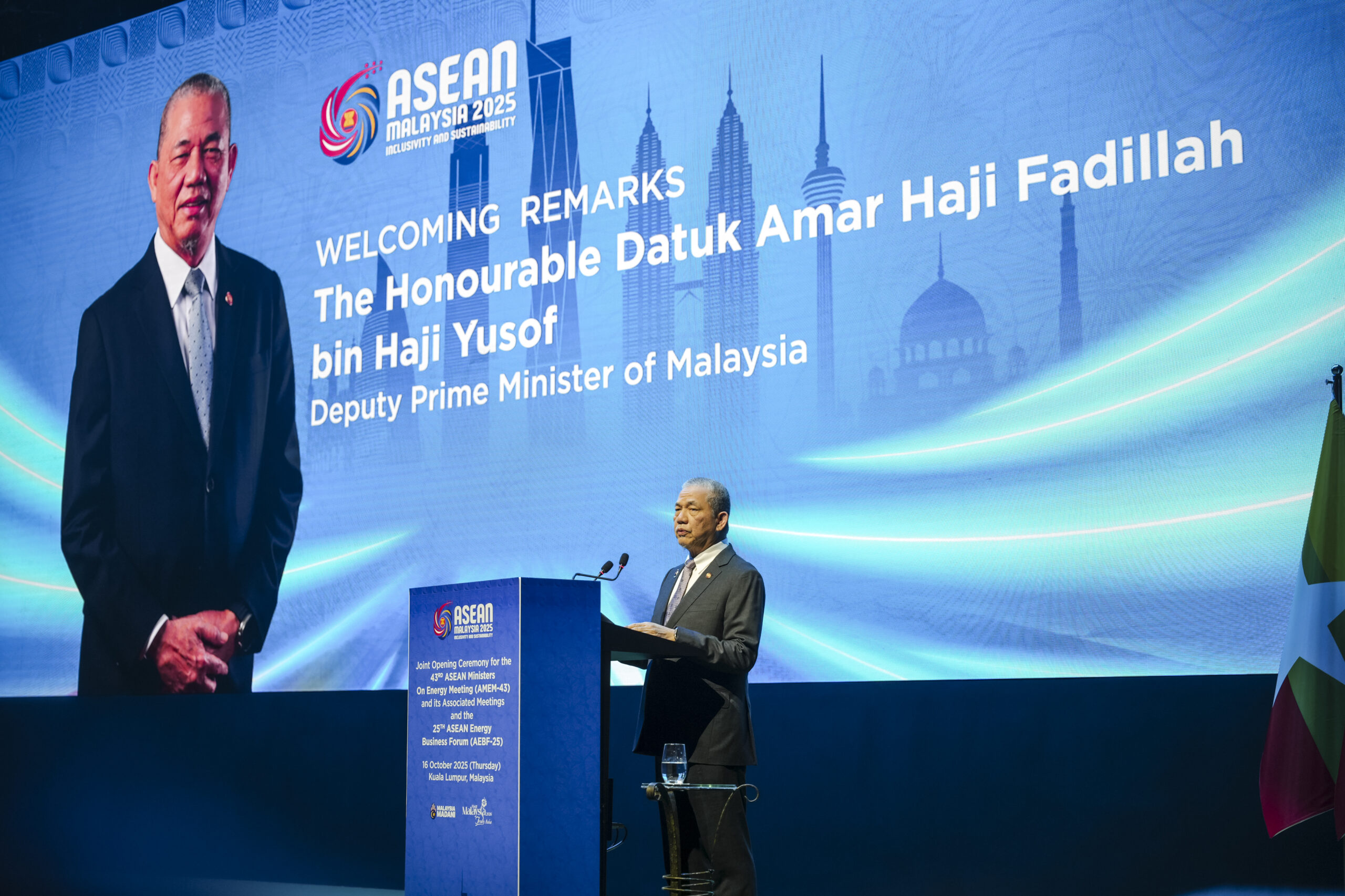 Photo 4. Opening remarks by The Honourable Datuk Amar Haji Fadillah bin Haji Yusof, Deputy Prime Minister & Minister of Energy Transition and Water Transformation (PETRA), Malaysia.
Following that, YAB Datuk Amar Haji Fadillah bin Haji Yusof, Deputy Prime Minister and Minister of Energy Transition and Water Transformation of Malaysia, delivered the welcoming remarks, reflecting on ASEAN’s energy achievements as a collective determination of all ASEAN Member States to move towards a cleaner, more secure, and more connected energy future.

Photo 5. Ministerial endorsement of the ASEAN energy milestones at the Joint Opening Ceremony of 43rd AMEM and 25th AEBF.
Several Priority Energy Deliverables (PEDs) and key regional energy initiatives were endorsed during the Meeting, marking major milestones in ASEAN’s collective pursuit of a secure, sustainable, and integrated energy future.
Endorsement of the ASEAN Plan of Action for Energy Cooperation (APAEC) 2026-2030
As the implementation period for APAEC Phase II: 2021–2025 draws to a close, AMEM-43 expressed appreciation for the collective work of the Heads of ASEAN Power Utilities/Authorities (HAPUA), the ASEAN Council on Petroleum (ASCOPE), the ASEAN Forum on Coal (AFOC), and other Sub-Sector Networks (SSNs)—including EE&C-SSN, RE-SSN, REPP-SSN, and NEC-SSN—alongside ACE and the ASEAN Secretariat. Building on these achievements, the Ministers officially endorsed the APAEC 2026-2030 with the theme “Advancing Regional Cooperation in Ensuring Energy Security and Accelerating Decarbonisation for a Just and Inclusive Energy Transition” as the next guiding blueprint for the next five years. The APAEC 2026-2030 sets ambitious regional targets by 2030, such as:
- 40% reduction in Energy Intensity (EI) from 2005 levels;
- 30% renewable energy share in Total Primary Energy Supply (TPES); and,
- 45% renewable energy share in installed power capacity.
Under the APAEC 2026-2030, ASEAN’s energy cooperation will be advanced through seven (7) programme areas:
- ASEAN Power Grid (APG)
- Oil & Gas Connectivity, Security, and Sustainability (OGCSS)
- Clean Coal Transformation (CCTR)
- Energy Efficiency and Conservation (EE&C)
- Renewable Energy (RE)
- Regional Energy Policy and Planning (REPP)
- Civilian Nuclear Energy (CNE)
Each programme areas incorporates the substantive updates to ensure continued relevance to the region’s evolving priorities and strategic directions, to reflect emerging developments and regional needs.
Advancing the ASEAN Power Grid and Regional Infrastructure
The Ministers commended the strengthened cooperation under the Enhanced Memorandum of Understanding (MoU) on the ASEAN Power Grid (APG), reinforcing commitments toward a sustainable, inclusive, and resilient regional power grid. To support interconnectivity development, the Submarine Power Cable Development Framework Terms of Reference (ToR) was endorsed, reaffirming legal and regulatory, technical, financial and commercial, as well as governance as the four main components of power cable development. The endorsement of the ASEAN Power Grid Financing Initiative (APGF), developed in collaboration with the Asian Development Bank and the World Bank were also recognised as a mechanism to unlock financing, de-risk investments, and enhance the financial viability of regional power integration.
Oil and Gas Connectivity, Security, and Sustainability
The Meeting endorsed the ASEAN Framework Agreement on Petroleum Security (APSA), reaffirming ASEAN’s commitment to modernising regional petroleum security arrangements and ensuring stable energy supply chains across oil and gas sectors.
Promoting Energy Efficiency and Conservation Investments
In line with ASEAN’s target to lower regional energy intensity, the Meeting acknowledged the energy efficiency and conservation (EE&C) measures to decarbonise end-use sectors. These efforts are supported by the ASEAN Energy Efficiency Database and Investment Platform for Buildings, which facilitates data sharing, investment tracking, and harmonisation of regional standards and policies.
Advancing Renewable Energy Deployment
The ASEAN Renewable Long-Term Roadmap was also introduced, providing a comprehensive framework for scaling up renewable energy to meet the region’s growing demand. Further, the endorsement of the Terms of Reference (TOR) for the Development of the ASEAN Regional Renewable Energy Certificate (REC) Framework, aimed at developing a harmonised and credible certification system for renewable energy deployment aligned with global best practices.
Exploration of Nuclear Energy as a Viable Options for Energy Sources
Additionally, the enhanced capacity on nuclear power safety strengthened coordination with international best practices have been reinforced through the Nuclear Power Plant (NPP) Development Framework providing a foundation for regional collaboration on the use of nuclear energy for the region’s power generation.
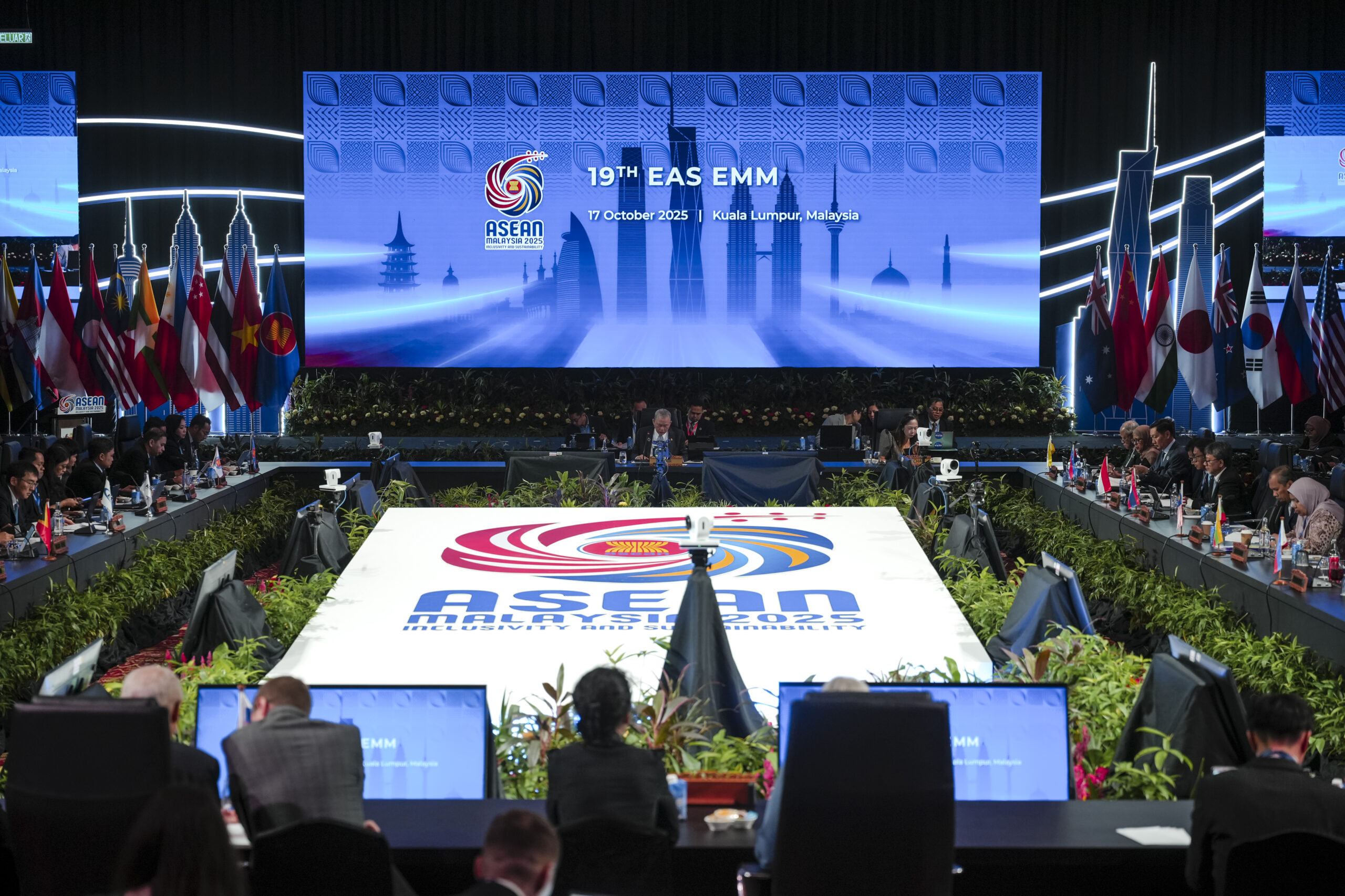
Photo 6. 19th EAS EMM, as one of the Associated Meetings at the 43rd AMEM.
Associated Meetings
In conjunction with 43rd AMEM, several Associated Meetings were convened, including the 19th East Asia Summit (EAS) Energy Ministers Meeting, attended by Energy Ministers of AMS, together with the Australia, the People’s Republic of China, India, Japan, New Zealand, the Republic of Korea, the Russian Federation, and the United States of America (US), the 4th AMEM-US, the 22nd ASEAN+3 Ministers on Energy Meeting with China, Japan, and the Republic of Korea. Additionally, Associated Meetings with International Organisations also underway, notably with International Energy Agency (IEA), and International Renewable Energy Agency (IRENA), and the Asian Development Bank (ADB). These gatherings further underscored the region’s growing partnerships and shared aspirations toward a cleaner and more sustainable energy future.
Ascension of Timor Leste as ASEAN Member State
With Timor-Leste's recent official ascension as ASEAN Member State, the Ministers emphasised the need to support the country’s readiness to join ASEAN’s energy-related legal frameworks and further reaffirmed that Timor-Leste's participation would strengthen reinforce ASEAN centrality. The Centre extended our heartfelt appreciation to Malaysia’s ASEAN Chairmanship for their leadership in advancing ASEAN collaboration towards the region’s clean energy future.
Related links:


